How to Vet a Handicraft Supplier in Vietnam
15 Jun 2026To vet a handicraft supplier in Vietnam, confirm four things: that they own their production rather than subcontracting through an agent, that they hold recognised social-compliance audits such as SMETA or BSCI, that they will provide physical samples before a bulk order, and that their capacity and lead times match your volumes. The single most revealing question is "Do you own this facility?" A genuine manufacturer can answer with a factory address, audit reports, photos and a live video walk-through. An agent cannot.
Key takeaways
- The most revealing question is "Do you own this facility?" A real maker can show a factory address, audits, photos and a live video tour.
- Insist on seeing actual SMETA or BSCI reports, not just a logo on a website.
- Order a sample and inspect the weave, finish, colour and smell before any bulk order.
- Match the supplier’s capacity and lead times to your volumes, and judge how clearly they communicate.

Why vetting matters more for handmade goods
With handwoven products, you are not buying from a machine specification, you are trusting people and a process. Two suppliers can quote the same basket and deliver completely different quality, finish and reliability. Vetting protects your margin, your delivery dates and your own customers’ trust. It is worth the extra week it takes upfront. The good news is that strong suppliers want to be vetted. At Viet Trang we would rather a buyer ask hard questions early, because the partnerships that last are built on transparency, not on a polished catalogue alone.
Check 1: Do they own their production?
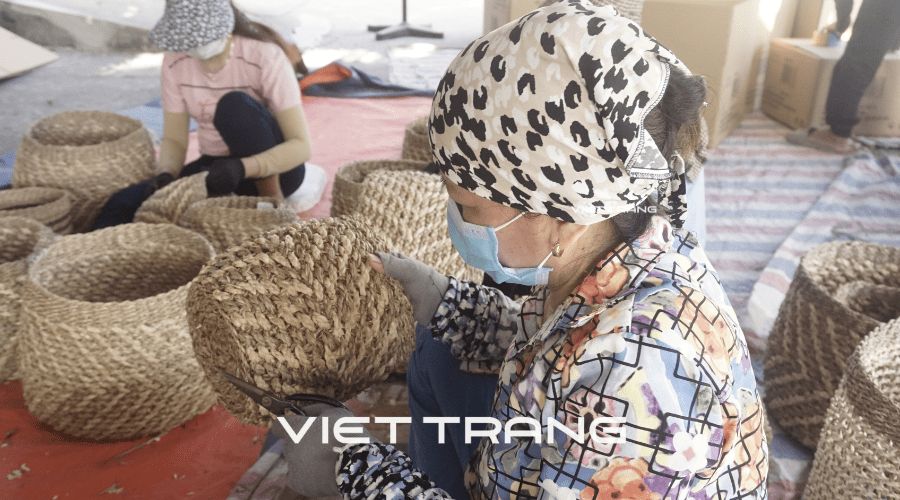
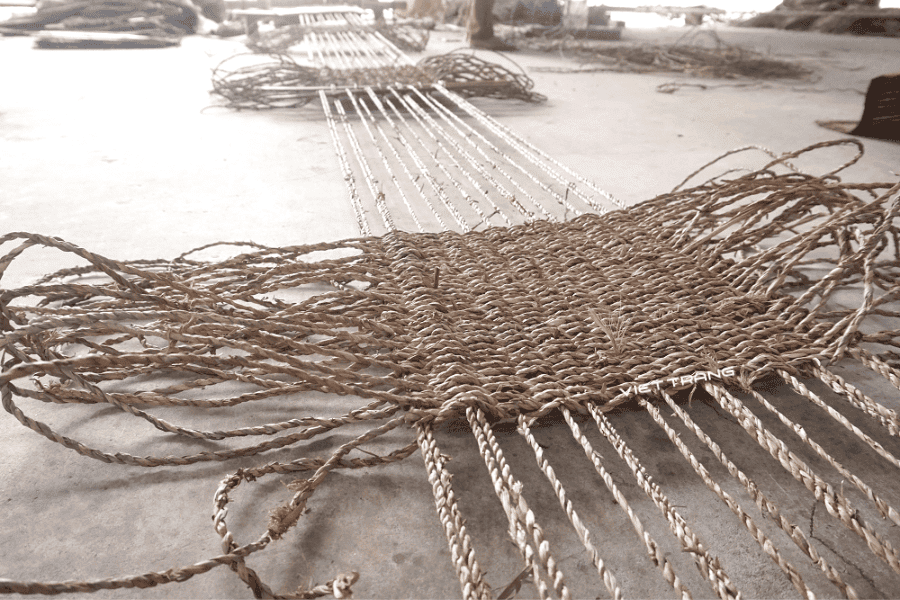
This is the foundation. Many "suppliers" online are trading companies that buy from village workshops and resell. There is nothing illegal about that, but it means no direct quality control, a margin you are paying for, and slow problem-solving when something goes wrong. A real manufacturer can give you a verifiable factory address, show you the production floor on video, name the region and craft tradition they come from, and explain their process from fiber to finished piece. Ask directly: "Do you own this facility, and can you show me?" Viet Trang runs its own 9,000 sqm factory in Nga Son, Thanh Hoa, with in-house drying machines and four warehouses.

Check 2: Are they audited?
Audits turn claims into evidence. Ask whether the supplier holds recognised ethical and social-compliance certifications, and ask to see the reports, not just a logo on a website. The two most common in this industry are SMETA (Sedex Members Ethical Trade Audit) and BSCI (Business Social Compliance Initiative). Both verify fair wages, safe conditions, reasonable hours and no forced or child labour; SMETA’s four-pillar version also looks at environmental practice and business ethics. Viet Trang is audited under both SMETA and BSCI.
Check 3: Will they sample, and how good is the sample?
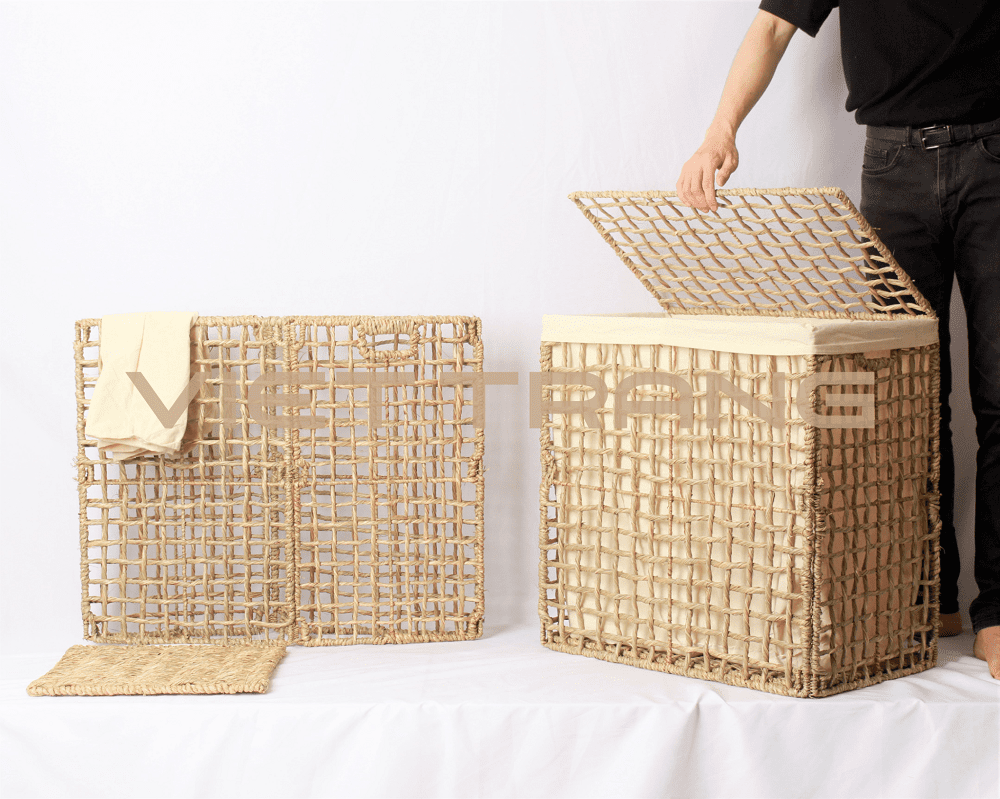
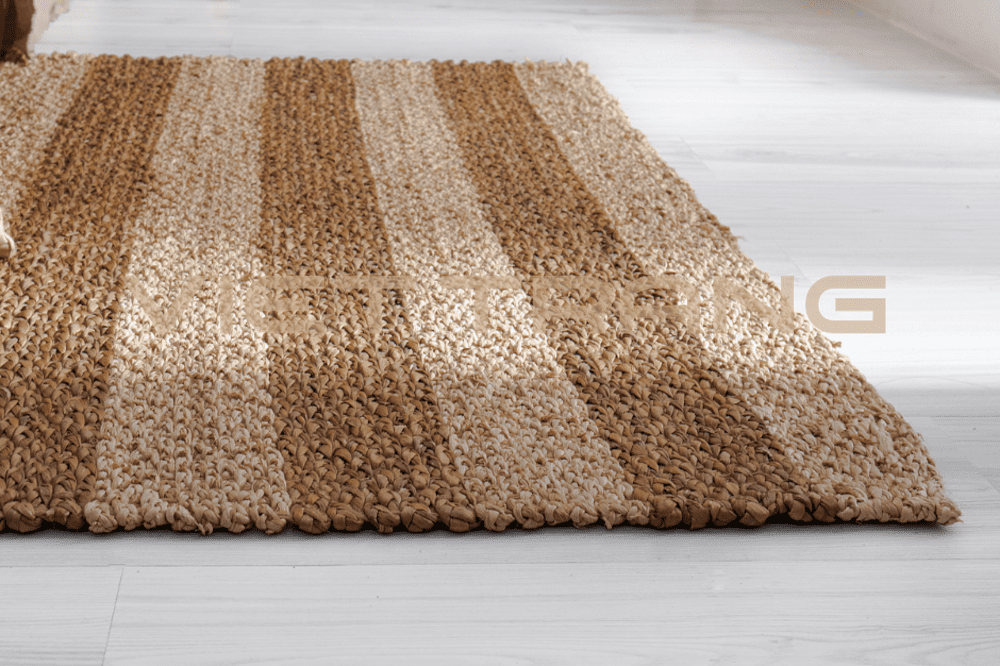
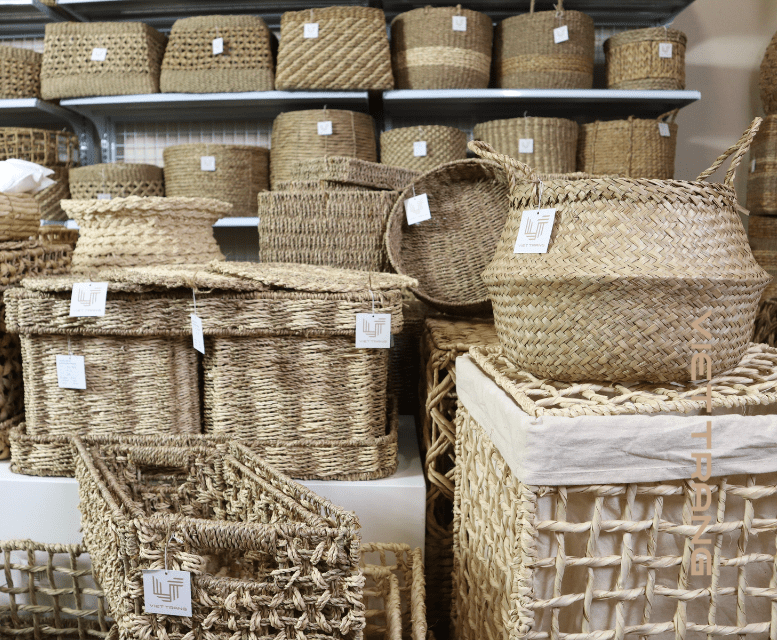
A supplier’s attitude to sampling tells you a lot. A confident maker will produce a physical sample, explain any costs, and often credit sample fees against a bulk order. When the sample arrives, inspect it properly: weave tightness and evenness, finishing on rims and handles, colour consistency, structural strength, and smell (natural fiber should smell clean and dry, never musty). If a supplier resists sampling or rushes you toward a large order on photos alone, treat that as a warning sign.
Check 4: Does their capacity match your needs?
A supplier can be excellent and still be wrong for you if the scale does not fit. Ask about monthly capacity, number of weavers, peak-season constraints, and how they handle repeat orders and reorders. Ask for references or examples of buyers in your region and product category. For context, Viet Trang works with 500 to 600 seasonal weavers and can produce up to 20 containers per month, supplying importers, supermarkets and retailers across the US, EU and Australia.

Check 5: How do they communicate?
Responsiveness during sourcing predicts responsiveness during a problem. Note how quickly and clearly they answer, whether they understand your market, and whether they offer help (samples, design adjustments, customisation) rather than just pushing to close. Clear English, honest lead times and a named contact person all matter for a long-distance relationship.
Frequently asked questions
How do I know if a Vietnamese supplier is a manufacturer or a trading company?
Ask "Do you own your own production?" and request a factory address, photos, audit reports and a live video tour. A manufacturer can provide all of these; a trading company usually cannot show its own floor.
What certifications should a Vietnamese handicraft supplier have?
Look for recognised social-compliance audits such as SMETA or BSCI, which verify fair labour and safe conditions. Ask to see the actual audit reports rather than just a logo.
Should I order a sample before placing a bulk order?
Always. A physical sample lets you check weave quality, finishing, colour and smell, and tests how the supplier works. Reputable makers welcome sampling and often credit the fee against your order.
What are the warning signs of an unreliable handicraft supplier?
Reluctance to show the factory, no verifiable audits, resistance to sampling, pressure to place a large order on photos alone, and vague or slow communication.
Looking for a handicraft supplier you can trust?
Tell us what you need and we will show you our Nga Son factory, share our SMETA and BSCI audits, and send a sample. We would rather earn your trust than rush a first order.

To receive lots of incentives with dedicated and professional service...
Or view more handwoven product in our
lookbook collection
CONTACT NOW