Sourcing Home Decor from Vietnam vs China: A Practical Comparison for Buyers
31 Jul 2026For natural fiber home decor such as woven baskets, rugs, planters and lampshades, Vietnam is a strong sourcing origin thanks to deep craft heritage, locally grown fibers like seagrass and water hyacinth, and a workforce skilled in hand-weaving. China remains highly capable across a much broader range of manufactured and machine-made home goods, with very large factory capacity. Most experienced buyers do not choose one country outright. They source natural fiber and handwoven lines from Vietnam and pair them with categories where China’s manufacturing scale fits better. The right answer depends on the specific product, not the country label.
Key takeaways
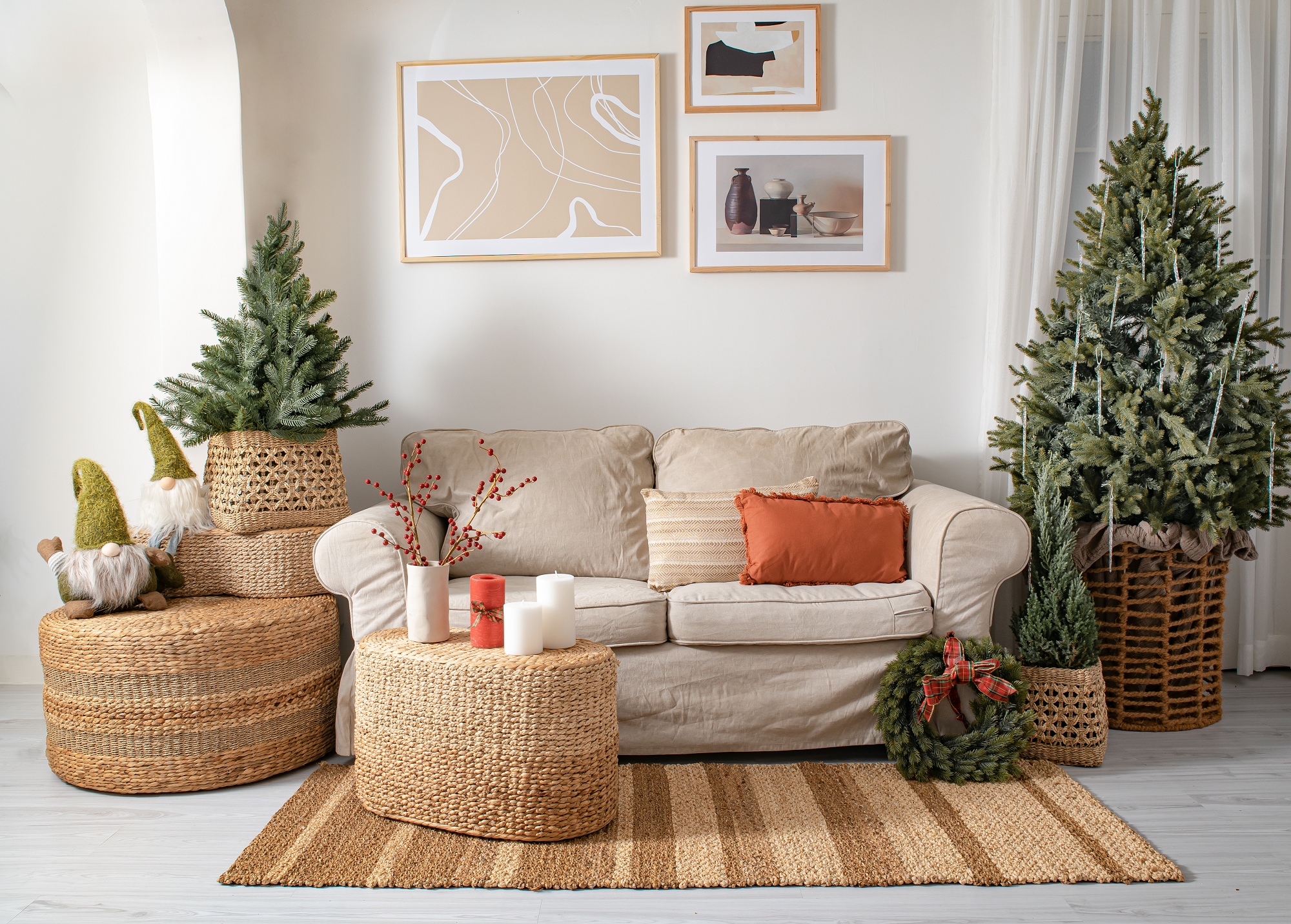
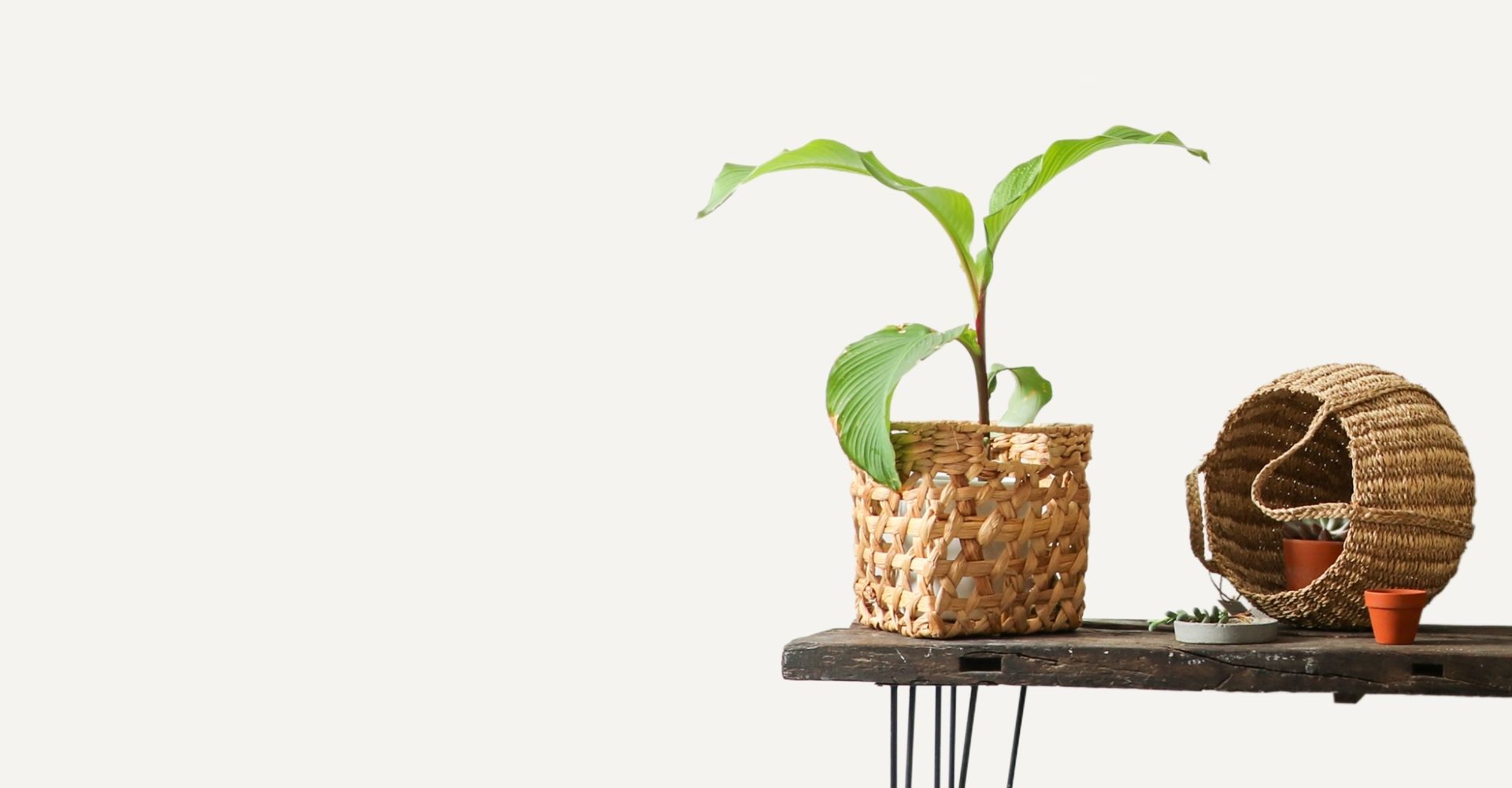
- Vietnam is a natural home for handwoven natural fiber decor: locally grown seagrass and water hyacinth, and generations of weaving skill in villages like Nga Son.
- China offers very broad manufacturing capability and large capacity across many home goods categories, especially complex multi-material products.
- The strongest sourcing strategies in 2026 are usually hybrid: match each category to where it is genuinely made best.
- For handwoven natural fiber homeware specifically, source close to the material and the craft.
Why this comparison keeps coming up
Almost every homeware buyer we speak with is weighing where to place an order. For years the default question was simply whether to stay with China or not. Today the picture is more considered. Buyers are diversifying supply chains, looking for authentic natural materials, and paying closer attention to how and where products are made. Vietnam comes up constantly in that conversation, especially for natural fiber home decor.
We make handwoven homeware in Nga Son, so we are not a neutral party. But the honest and useful view is not that one country wins outright. It is that different categories are made best in different places, and a good sourcing plan reflects that.
Where Vietnam is strong
Vietnam’s advantage in home decor is specific rather than general. It sits in natural fiber and handwoven craft.
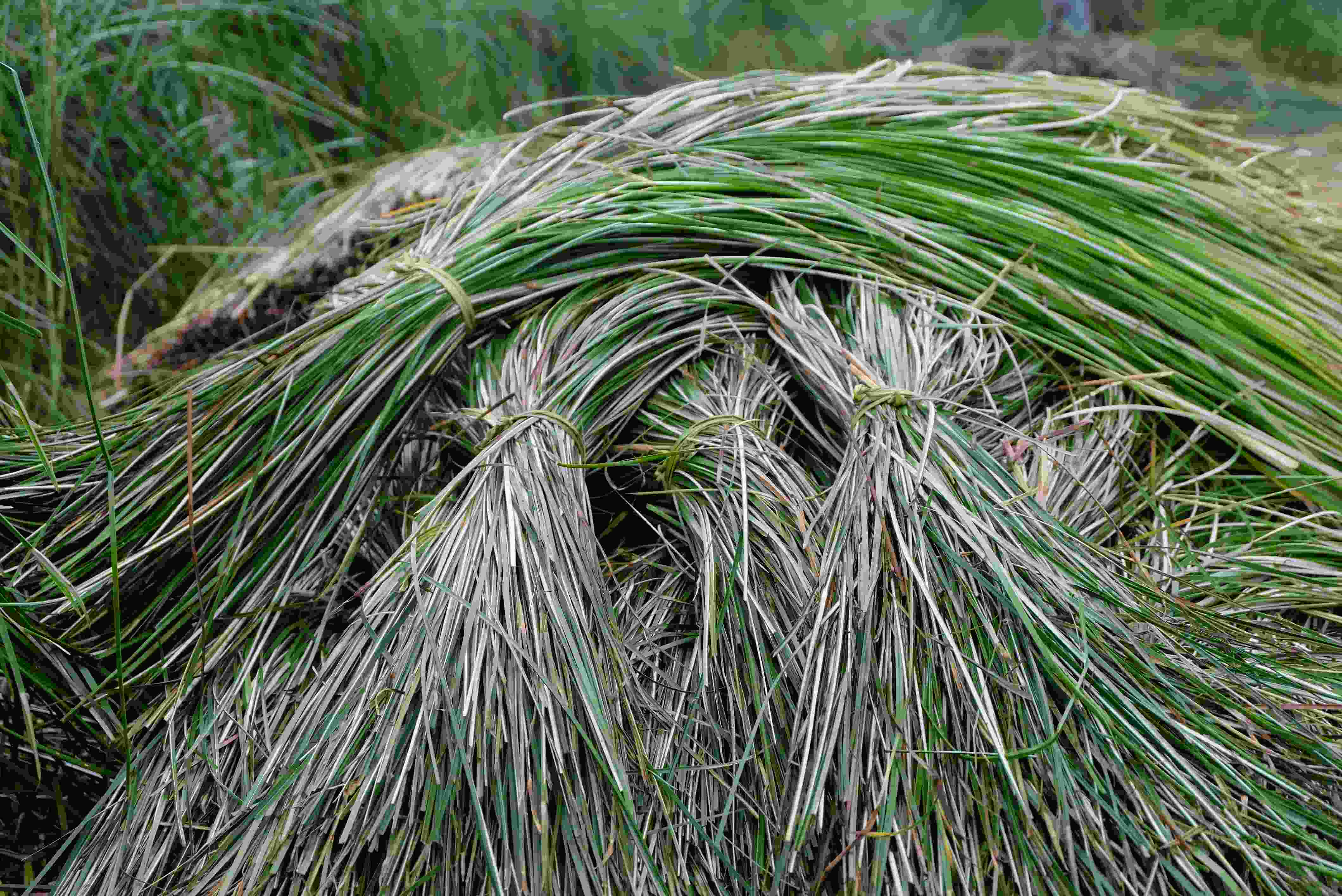
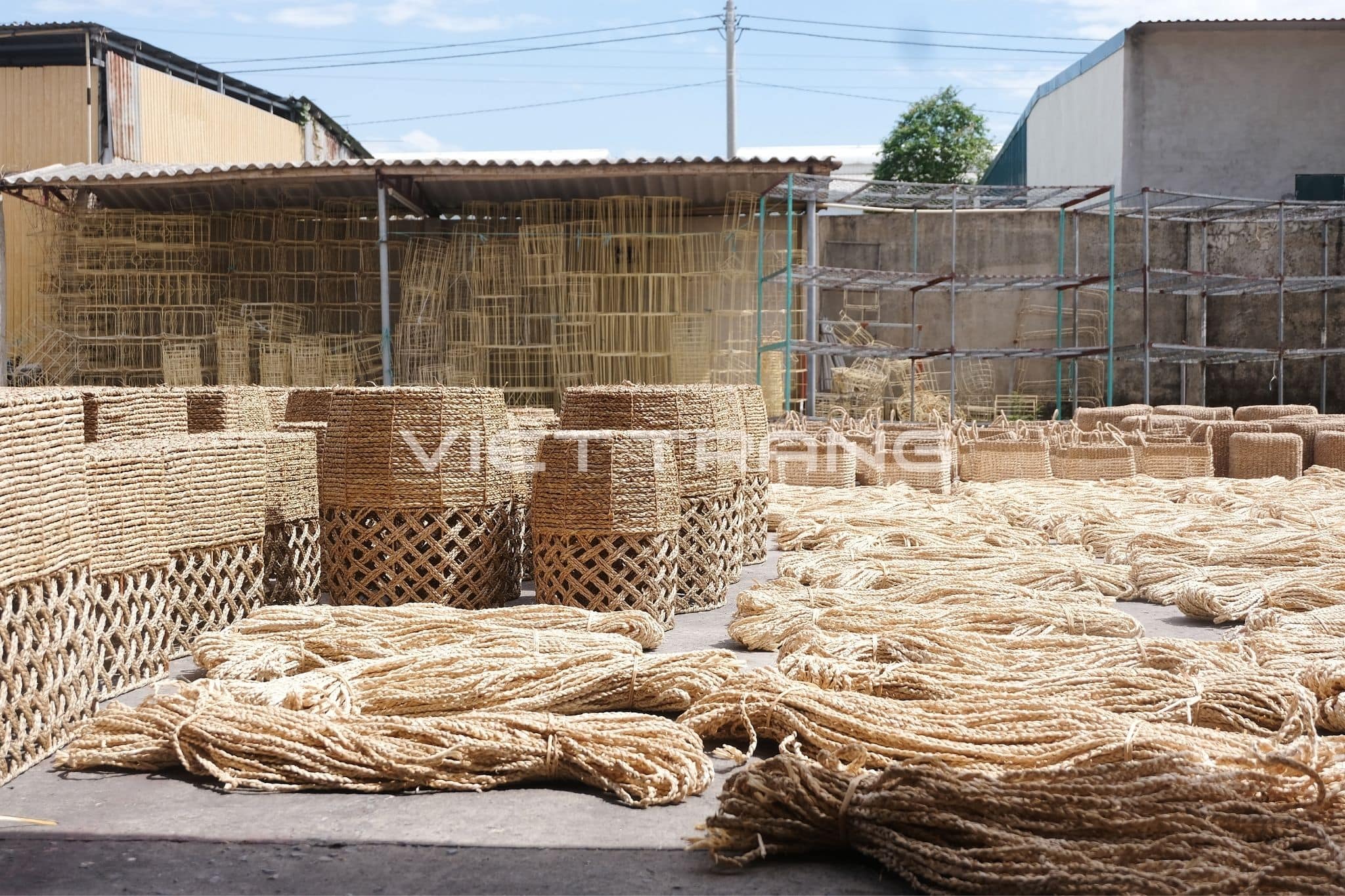
The materials grow here. Seagrass is harvested in Nga Son, the same region where our workshop was founded. Water hyacinth is gathered from local rivers and lakes. Corn husk arrives as a by-product of nearby farming. When the fiber grows a short distance from the loom, you get fresher material, tighter quality control and a shorter path from harvest to finished product.
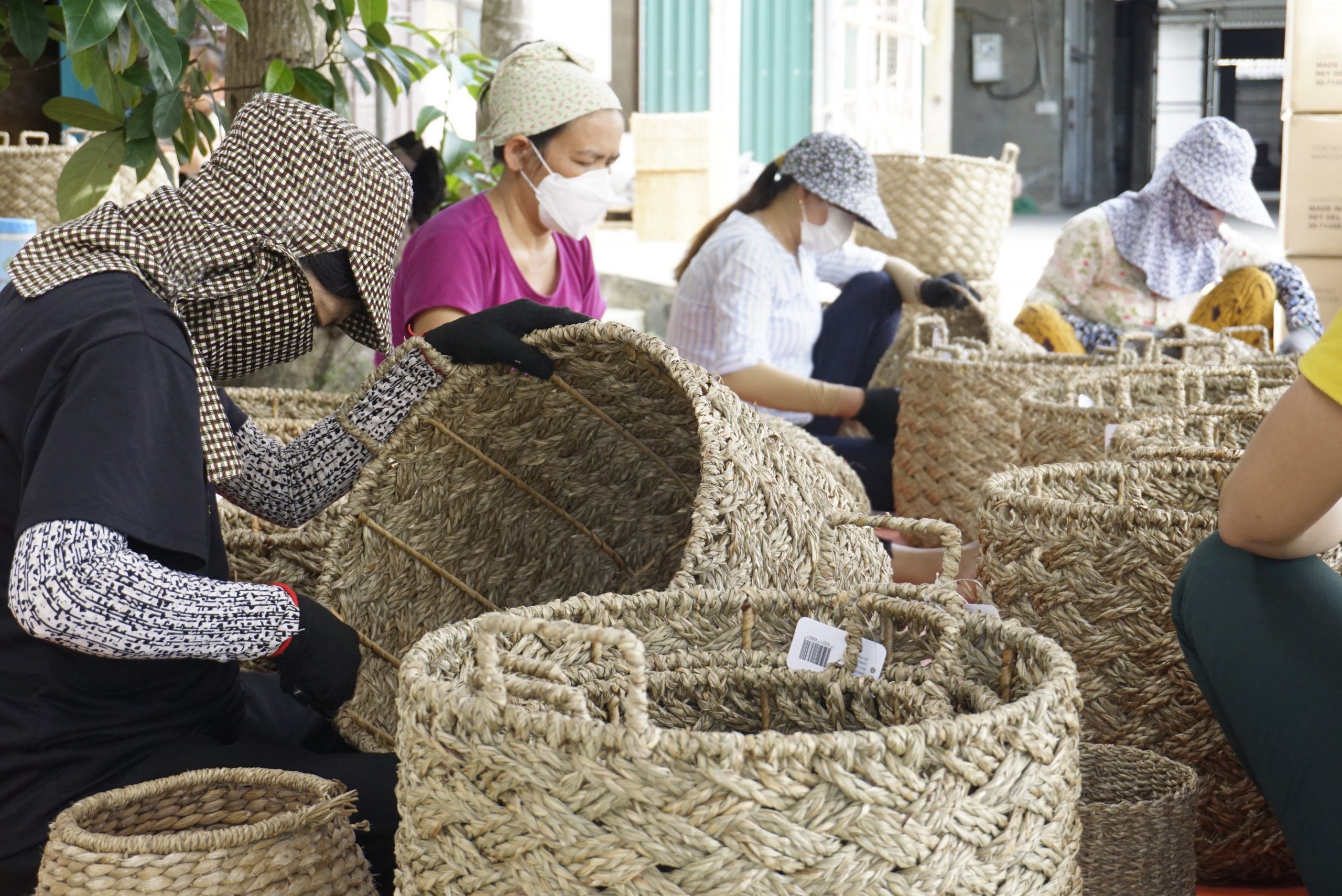
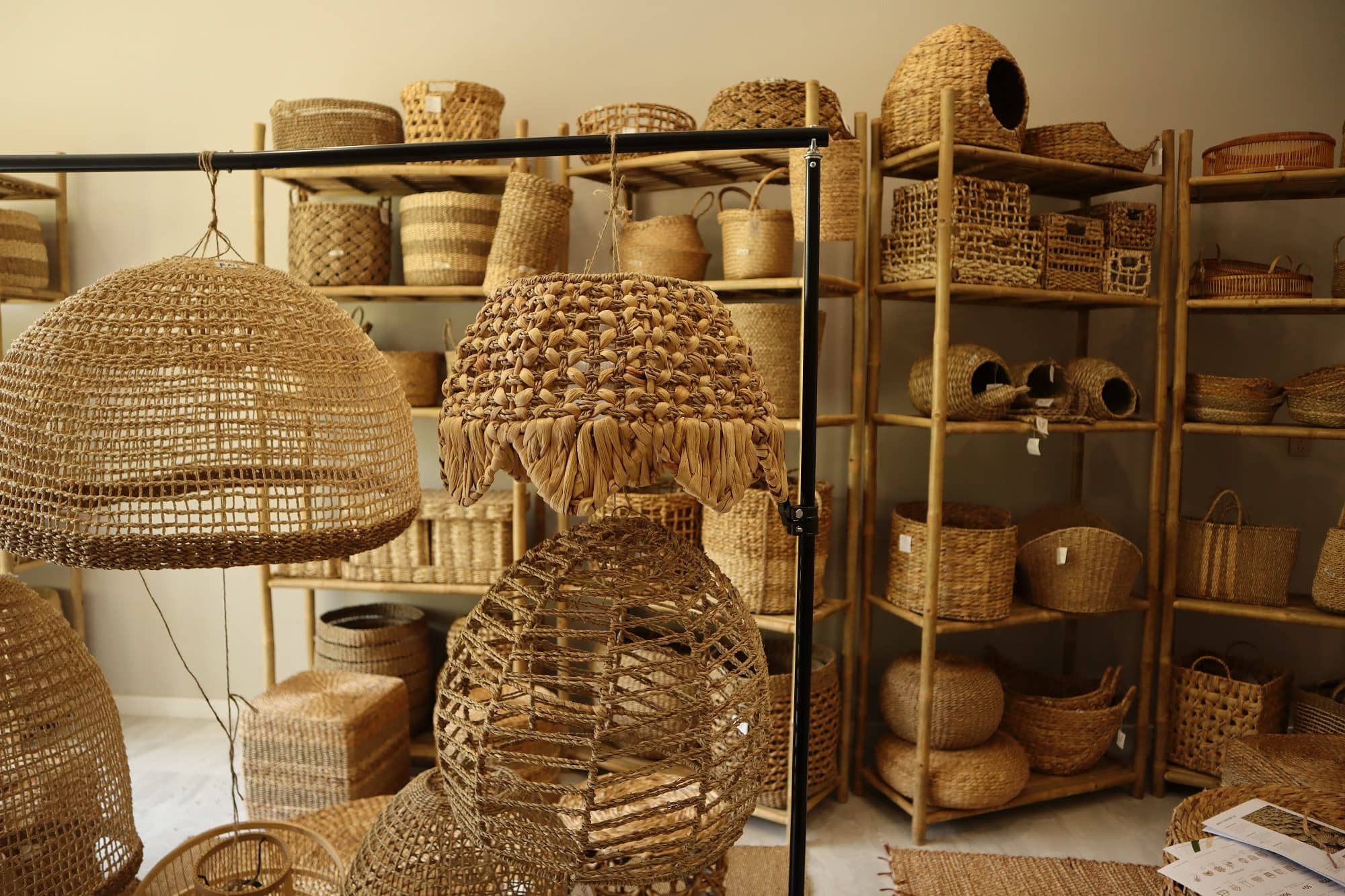
The skill is generational. Nga Son has woven seagrass and sedge for well over a century, and villages like it built the knowledge that makes a basket hold its shape and a rug lie flat. This is hand-weaving at a professional standard, not a novelty. That craft base is why Vietnam is a natural fit for baskets, rugs, planters, woven lighting, poufs and similar handwoven lines. Independent buyers note the same thing: many are shifting primary sourcing of these categories to Vietnam for craftsmanship and quality control.
For buyers, this also means a clear, uncopyable story to tell their own customers: a named village, a real material, a genuine maker.

Where China fits
China’s strength is breadth and scale. Across ceramics, glass, metal, plastics, machine-made textiles and complex multi-material home goods, the manufacturing base is enormous and well-established. If a product combines metal frames, upholstery, glass or electronics, or if your assortment includes large volumes of standardized factory-produced items, China’s capacity and supply-chain ecosystem are hard to match.
Some buyers also run natural fiber lines out of China. It can be done. Our point is narrower: for handwoven natural fiber decor, sourcing close to where the fiber grows and the craft lives tends to give a more authentic product and a cleaner quality story.
Lead times and working style
Handwoven production runs on a different rhythm than machine manufacturing. Because pieces are made by hand, bulk production of natural fiber homeware from Vietnam typically takes around 45 days after order confirmation (Viet Trang’s standard lead time), depending on order size and season. Minimums are set per design rather than by the container, and sampling is a normal first step before any bulk commitment.
None of this is unique to one country. The practical advice is the same wherever you source: confirm who actually owns the production, ask for workshop photos, agree the sampling process in writing, and build the real lead time into your buying calendar.

At a glance
| Factor | Vietnam (natural fiber decor) | China |
|---|---|---|
| Best-fit categories | Handwoven baskets, rugs, planters, lampshades, poufs | Broad home goods, complex multi-material, high-volume standardized items |
| Materials | Locally grown seagrass, water hyacinth, corn husk, palm leaf | Extensive domestic supply chain across many materials |
| Craft base | Generational hand-weaving in villages like Nga Son | Very large, highly industrialized manufacturing |
| Story for your customer | Named village, real fiber, genuine maker | Varies by factory |
| Typical natural-fiber lead time | About 45 days after order confirmation | Varies by product and volume |
How to decide
A simple way to think about it: match the category to the origin, not the whole order to one country.
For handwoven natural fiber decor such as baskets, rugs, planters, woven lampshades and poufs, source from a Vietnamese maker close to the material and the craft. For high-volume manufactured or complex multi-material categories, weigh China’s scale. Many established importers do exactly this, running a hybrid range so each line comes from where it is genuinely made best.
If you are early in this decision, the most useful next step is a sample. Handling the actual weave, checking the finish and testing a supplier’s responsiveness tells you more than any country-level generalization.

The maker’s bottom line
The Vietnam versus China question is really a category question in disguise. Vietnam’s real edge is in handwoven natural fiber homeware, backed by locally grown materials and a genuine craft tradition. That is the part of your range where sourcing here pays off in product quality and in the story behind it. For everything else, choose the origin that fits the product. A thoughtful, hybrid sourcing plan almost always beats a one-country rule.
If you would like help placing that line, tell us what you sell and we will show you where Vietnam fits in your range, starting with a sample you can hold and test.
Natural fiber products made in Vietnam
A few designs from our Nga Son factory across key categories.


![[Best Selling] Mekong River Seagrass Rug Round 04](https://viettrangcraft.com/wp-content/uploads/2020/01/mekong-river-seagrass-rug-round-04.webp "Sourcing Home Decor from Vietnam vs China: A Practical Comparison for Buyers 6")

Frequently asked questions
Is it better to source home decor from Vietnam or China?
It depends on the category. Vietnam is particularly strong for handwoven natural fiber decor such as baskets, rugs, planters and woven lighting, thanks to locally grown materials and generations of weaving skill. China offers broader manufacturing scale, especially for complex or high-volume goods. Many buyers source both, matching each line to the best-fit origin.
What home decor is Vietnam known for?
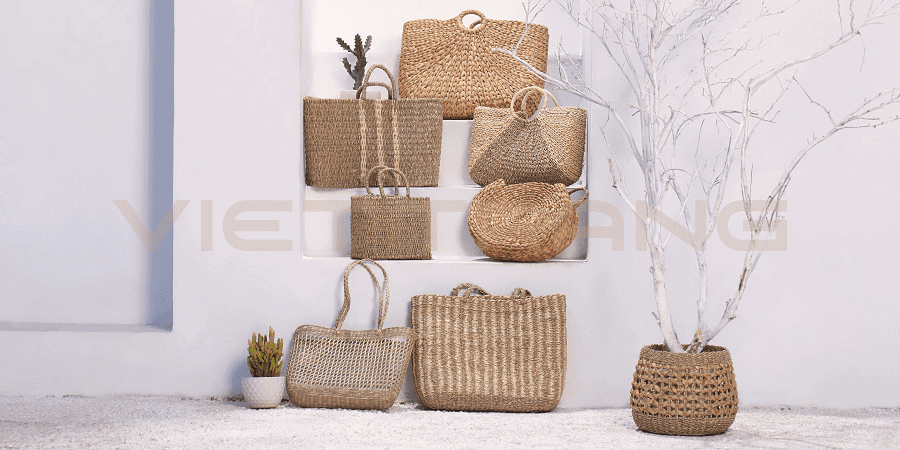
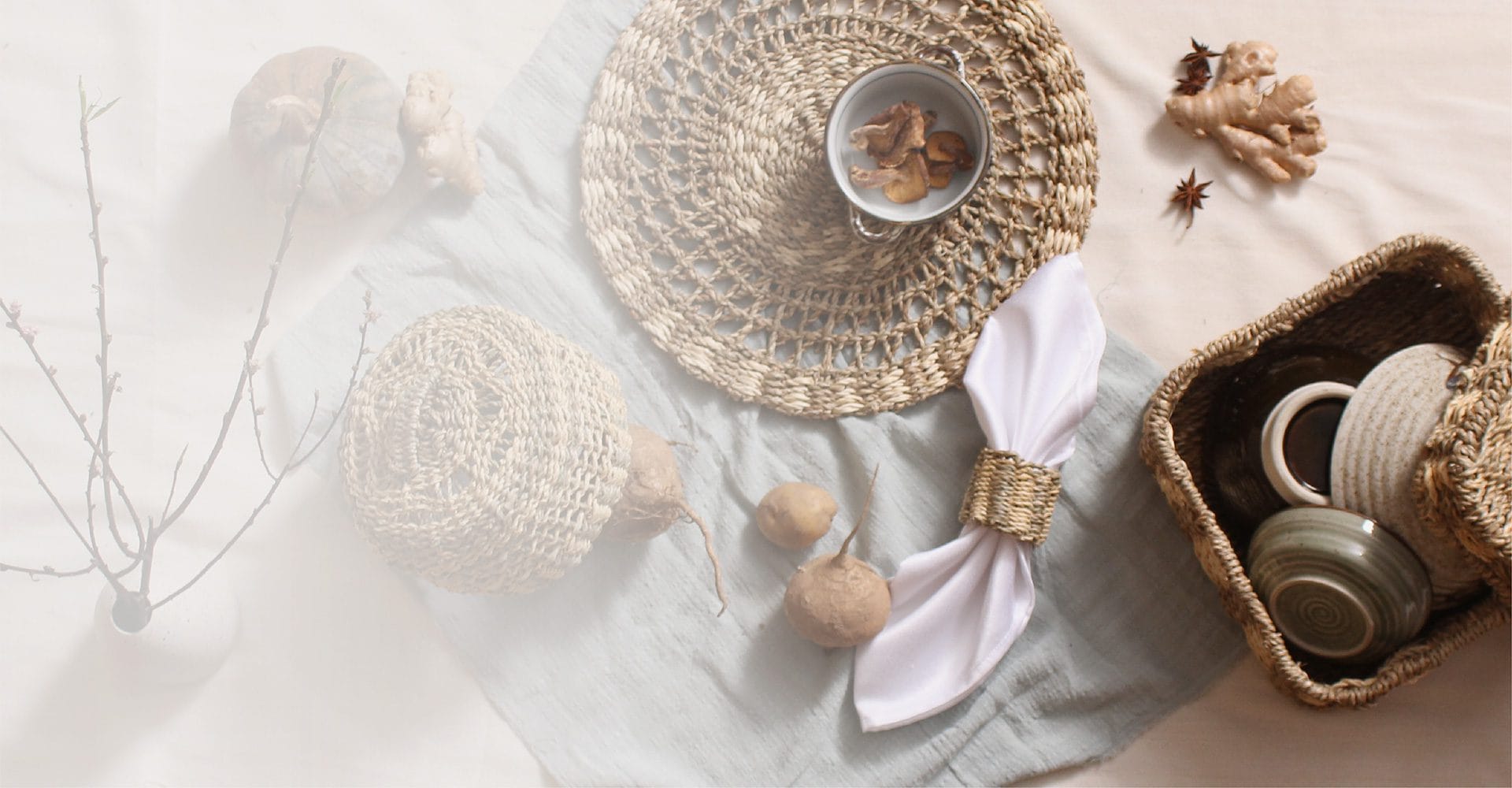
Vietnam is well known for natural fiber handwoven homeware: seagrass and water hyacinth baskets, rugs and runners, woven planters, lampshades, poufs and similar handcrafted items, often made in traditional craft villages like Nga Son.
What are typical lead times for handwoven homeware from Vietnam?
Because production is by hand, bulk production usually takes about 45 days after order confirmation, varying with order size and season. Sampling comes first, before any bulk order.
Can I source natural fiber baskets only from Vietnam and keep other lines elsewhere?
Yes. Many importers run a hybrid supply chain, sourcing natural fiber and handwoven lines from Vietnam while keeping other categories with suppliers that fit those products better.
How do I make sure a Vietnamese supplier is a genuine maker?
Confirm they own their production, ask for workshop photos, check certifications such as SMETA and BSCI, and request a sample before committing. A real manufacturer will welcome all of these.
Ready to source with Viet Trang?
Tell us what you sell and we will show you where Vietnam fits in your range (request a sample / quote).

To receive lots of incentives with dedicated and professional service...
Or view more handwoven product in our
lookbook collection
CONTACT NOW
+84 915 709 666
(WhatsApp available)