Woven Planters and Belly Baskets: A Wholesale Buyer’s Guide
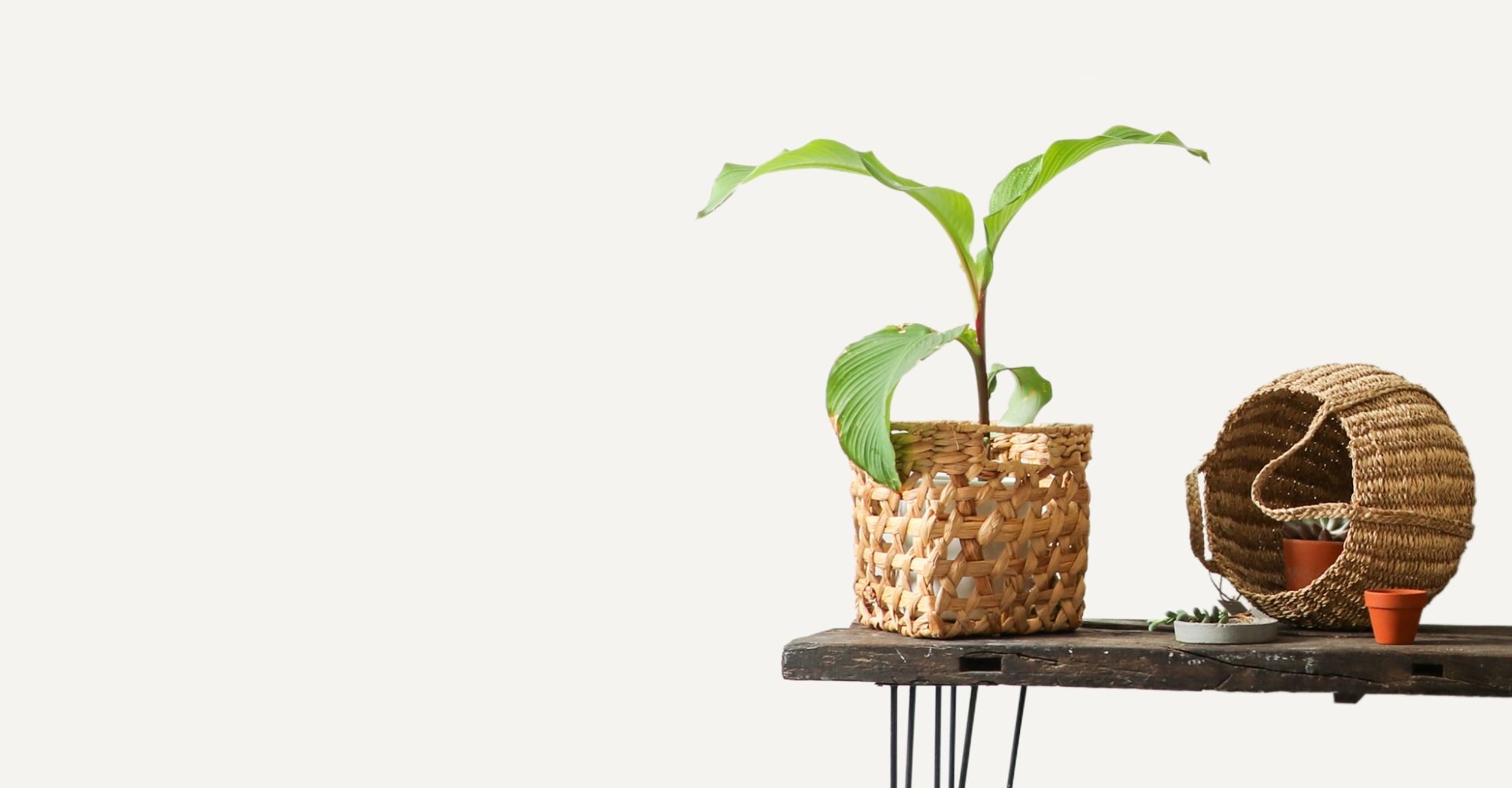
21 Oct 2026A woven planter is a handwoven natural fiber basket made to hold a plant, either as a cover that slips over the grower pot or as a planter the pot sits down inside. A belly basket is the soft sided version with a wide middle and a rolled rim, used as a planter, a toy store or a throw basket depending on the room. Neither is waterproof on its own, which is why the first thing to settle with a supplier is whether you need a liner, a plastic inner pot or neither.
Key takeaways
- Decide pot cover or planter before you ask for a price. The two need different inside dimensions and a different answer on lining.
- Give inside diameter and inside depth. Weave thickness changes the outside measurement, so an outside dimension alone will not tell a maker what pot has to fit.
- Natural fiber planters are indoor products. IKEA puts a plastic inner pot inside its own water hyacinth plant pot to make it waterproof, and recommends it for indoor use only.
- Sets of two, three or five graduated sizes display better on a shelf and lift the average order value, which is why so much of this category is sold nested.
What is a woven planter, and what is a belly basket?

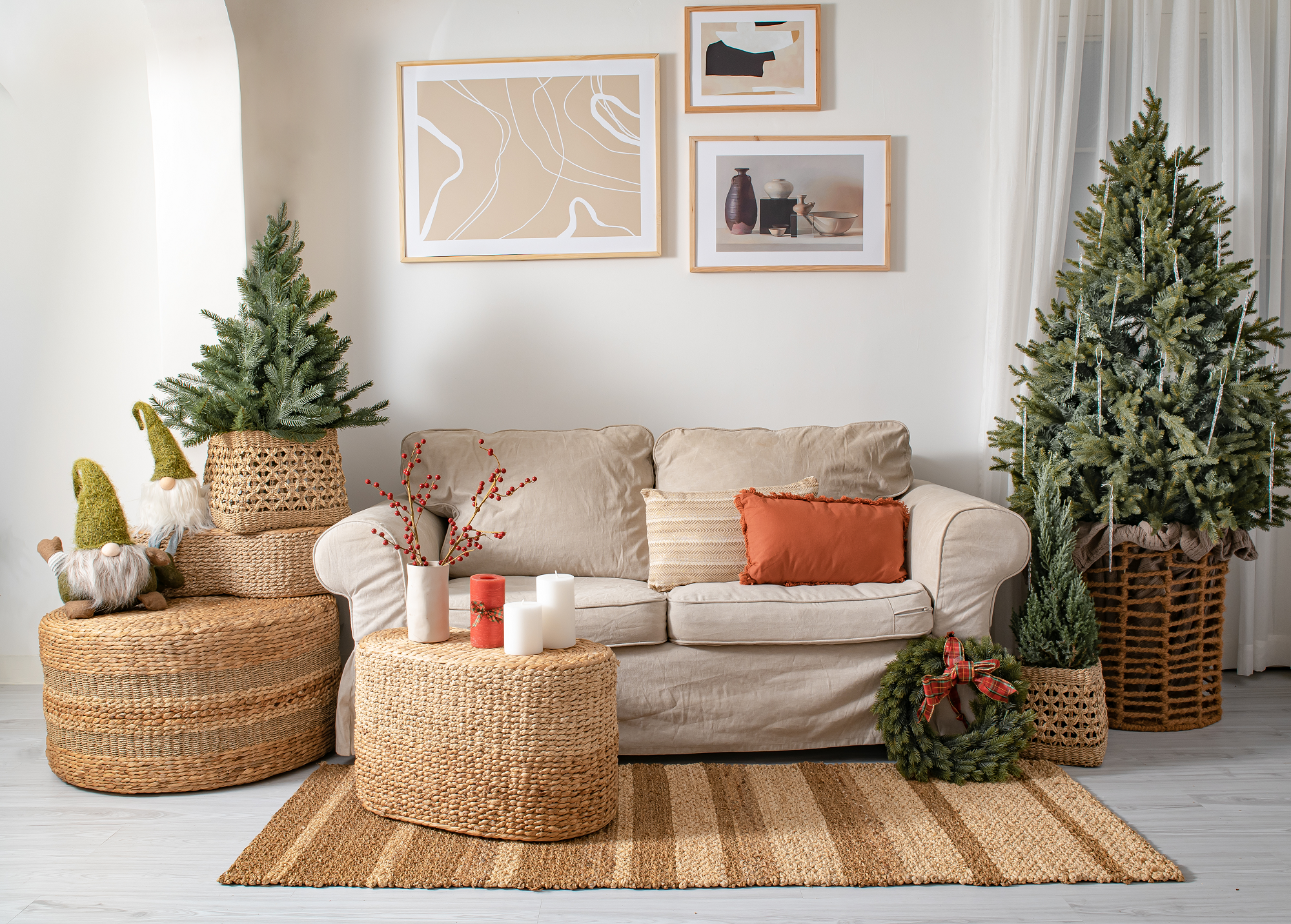
The category covers more shapes than most buyers expect. Belly baskets used as planters, structured pot covers that hold their shape on a shelf, hanging planters, tree collar rings for the Christmas season, and tall floor planters for larger indoor plants. The belly basket is the one most people picture: wide through the middle, narrower at the rim, soft enough to fold flat and deep enough to swallow an ugly plastic grower pot.
That last point is the real job this product does in a home. The plant is the hero and the pot it arrives in is not. A woven planter hides the grower pot, adds texture next to the leaves, and costs the retailer far less to ship than ceramic. Our Vietnam origin seagrass belly basket is a straightforward example of the shape.
Does a woven planter need a liner?
This is the question that causes the most trouble after the first shipment, so settle it early. A handwoven basket is not watertight. Water that reaches the fiber and stays there will stain it and will eventually bring mold.
There are three workable answers. A plastic inner pot, which is what IKEA uses in its water hyacinth plant pot so the piece can be watered directly. A loose liner, which is cheaper but needs to be specified properly so it does not show above the rim. Or no liner at all, with the piece sold as a pot cover and the grower pot taken out for watering. Some of our planter designs are deliberately made without a base so the pot can be dropped in and lifted out easily, which is a fourth answer and a good one for plant shops.
Whichever you choose, say it on your own product page. Most natural fiber planter complaints trace back to an end customer watering a basket that was never meant to hold water.
How should you give sizes?

Give the inside diameter and the inside depth you need, and tell the maker what has to fit. A 20 cm grower pot does not fit a basket described as 20 cm, because the weave takes up thickness and the rim rolls inward. If you are matching an existing range, send the pot itself to the sample room. It is the fastest brief anyone can give us.
Custom sizing is available across most of our categories, so there is no need to design backwards from a size list. Tell us the pots and the shelf, and we will work out the basket.
Which fiber suits a woven planter?
| Fiber | Character | Where it works in this category |
|---|---|---|
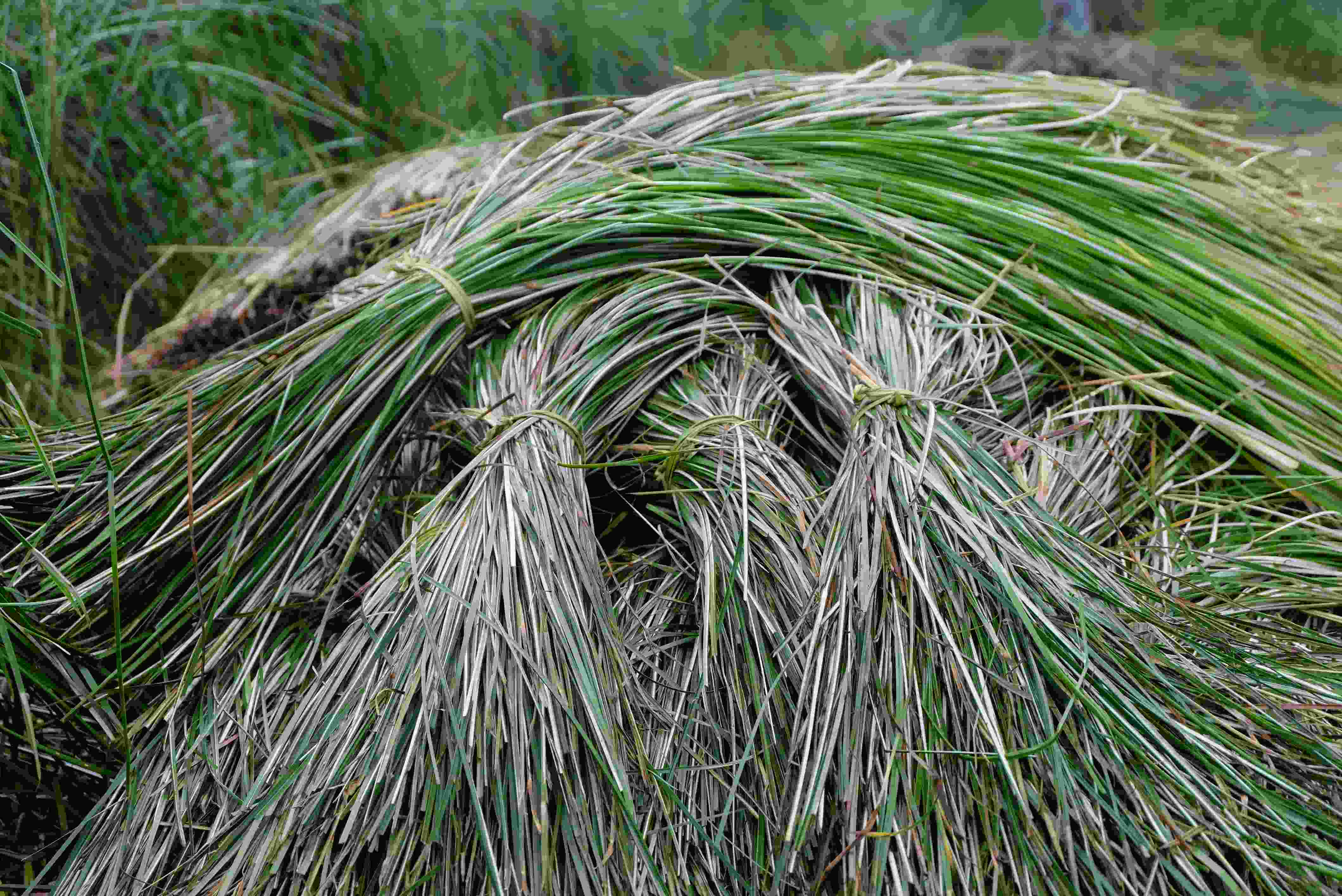
| Seagrass | Fine, silky, takes a tight weave, light straw to warm brown | Structured pot covers and smaller desk planters |
| Water hyacinth | Chunkier strand, warm brown, soft | Belly baskets and larger floor planters |
| Corn husk | Pale and milky, recycled from corn farming | Pattern bands and contrast against darker fibers |
| Palm leaf | Split and braided, white or light patterning, smooth edges | Decorative rims and mixed fiber designs |
Mixing two fibers in one planter is something we do often, and it is the easiest way to make a basic shape look like a designed product. A seagrass body with a corn husk pattern band costs very little more and gives a shelf a reason to look at it twice.
Who is buying woven planters right now?

Three buyer types, and they want different things. Garden centres and plant shops want sets and a sharp price, because the basket is an add on to a plant sale. Homeware retailers want the shape to work as a storage basket too, so one product earns two places in the store. Interior and hospitality buyers want larger floor sizes and will accept a longer lead time to get them.
The underlying demand is steady rather than spectacular. The Garden Centre Association reported in March 2026 that its member centres had a very good start to the year, with houseplant sales up 5.62 per cent in January against the same month in 2025 and ten of the thirteen categories it tracks ahead year on year. On the design side, Houzz reported in May 2026 that chunkier weaves in rattan and seagrass dominated the furniture market, with wicker furnishings appearing widely. A heavier, more textural weave is exactly what this category does well.
What to check on a planter sample
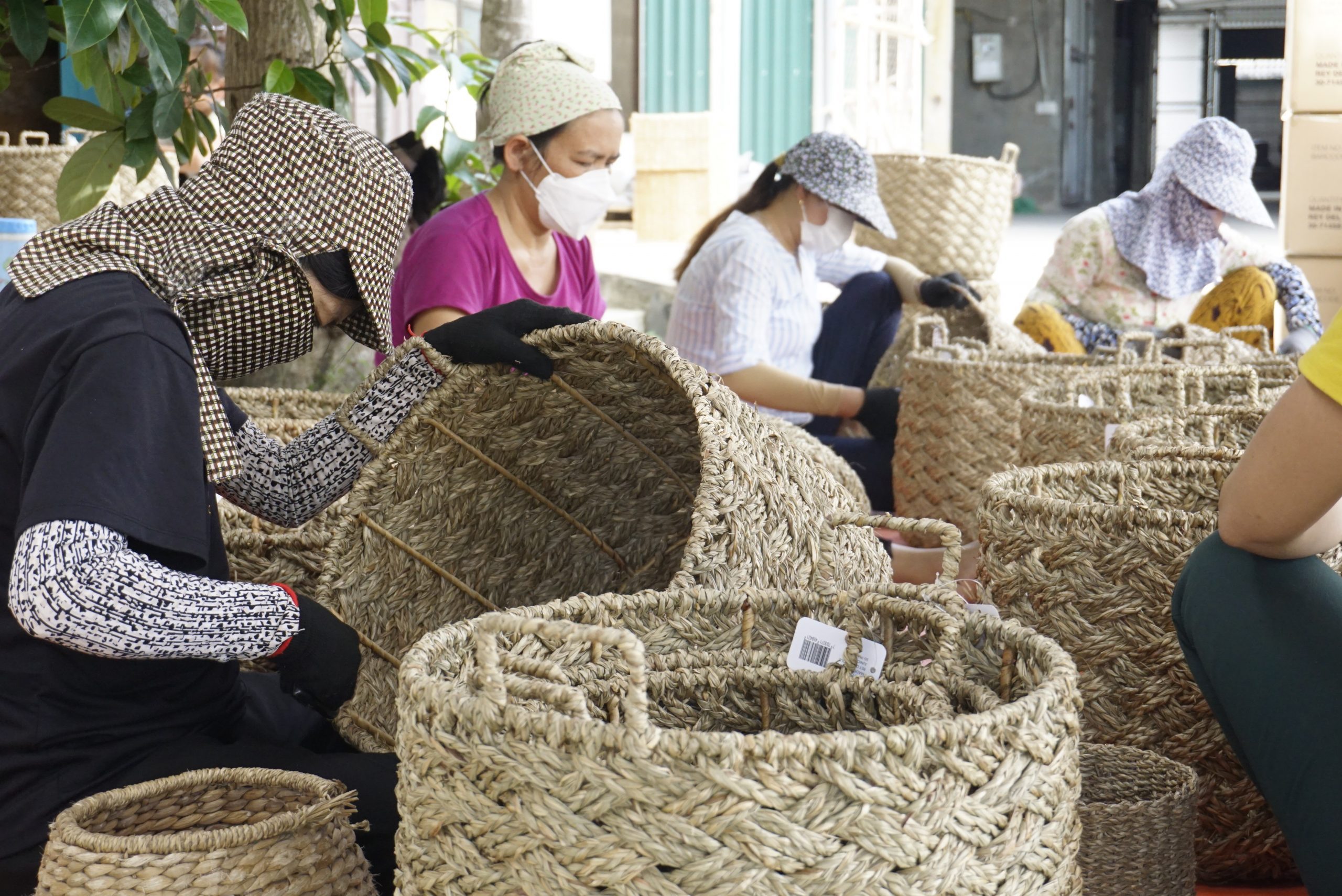
Five things, in this order. Does the pot you intend to sell actually fit, with the rim sitting where you want it. Is the base firm enough that the planter does not splay when it is lifted full. Are the handles, if there are any, joined into the body rather than stitched to the surface. Is the rim binding even all the way round. And is the piece properly dry, which you can usually tell by smell before you can tell by touch.
If you are building a wider natural fiber range around these, our guide to building a natural homeware assortment covers how the categories support each other, and our post on preventing mold on natural fiber baskets covers the transit side. If you want the end customer view of why plants and baskets sit so well together, we wrote about basket weave planters a while back.
Woven planters and belly baskets from our range
Four pieces from the planter side of our catalogue: two structured planters and two belly baskets, in the fibers named on each one.


Frequently asked questions
What is the difference between a woven planter and a pot cover?
A pot cover slips over the grower pot and is purely decorative. A planter is made for the pot to sit down inside, so it needs more depth and a clear answer on lining. The inside dimensions are different, so the two are quoted differently.
Do woven planters need a liner?
If the plant will be watered in place, yes. Use a plastic inner pot or a fitted liner. If the grower pot is lifted out for watering, no liner is needed and the basket can be sold as a cover.
Can woven planters be used outdoors?
On a covered balcony or porch for short periods, but not in the open. Rain and constant direct sun will shorten the life of any natural fiber planter, so we recommend selling them as indoor products.
What sizes do belly baskets come in?
They are most often sold in sets of two or three graduated sizes, and custom sizing is available on most designs. Tell us the pot sizes you need to cover and we will build the set around them.
What is the minimum order for woven planters?
It depends on the design and the fiber, and our catalogue listings generally show 50 per design as a starting point. Send us the designs and quantities you have in mind and we will confirm the minimum and the lead time with the quotation.
Send us your pot sizes
Tell us the grower pots you need to cover, the fiber you prefer and the set sizes you sell, and we will quote the planter around them. Samples are available before you commit to a run.

To receive lots of incentives with dedicated and professional service...
Or view more handwoven product in our
lookbook collection
CONTACT NOW
+84 915 709 666
(WhatsApp available)