What SMETA and BSCI Mean When You Source from Vietnam
27 Sep 2026SMETA and BSCI are the two most widely recognised social-compliance audits in global sourcing. Both verify that a supplier treats its workers fairly: fair wages, safe conditions, reasonable hours, and no forced or child labour. BSCI (Business Social Compliance Initiative, run by amfori) focuses mainly on labour and working conditions and grades a supplier across performance areas. SMETA (Sedex Members Ethical Trade Audit) covers the same labour ground and, in its four-pillar version, also assesses environmental practice and business ethics. For a buyer, an audit is the difference between a supplier saying it is ethical and a supplier proving it. Viet Trang is audited under both SMETA and BSCI.
Key takeaways
- SMETA and BSCI are social-compliance audits, not certifications; both verify fair, safe labour.
- BSCI (run by amfori) grades suppliers and is popular with EU buyers; SMETA (via Sedex) in its four-pillar version also covers environment and business ethics.
- Many strong suppliers, including Viet Trang, hold both so they can meet any buyer’s requirement.
- Always ask for the actual report and check its date, since audits are periodic.
Why audits matter when you source handmade goods
When you import homewares, you take on your supplier’s labour practices as part of your own brand story. A buyer’s customers, and increasingly their own compliance teams, want assurance that the people who made the product were treated well. Social-compliance audits exist to give that assurance through an independent third party rather than the supplier’s word.
For handwoven products in particular, where work is spread across a factory and a network of artisans, audits matter even more. They confirm that “handmade by skilled artisans” is a fair-trade reality, not a marketing line.

What BSCI is
BSCI, the Business Social Compliance Initiative, is run by the European trade association amfori. It gives suppliers a single code of conduct covering workers’ rights, fair pay, safe conditions, working hours, and no forced or child labour, and it manages environmental impact within the supply chain. A BSCI audit reviews the supplier across a set of performance areas and produces an overall grade, so buyers can see at a glance how a factory scored.
BSCI is especially common among European importers and retailers, which is one reason it is widely held by Vietnamese exporters serving the EU market.
What SMETA is
SMETA, the Sedex Members Ethical Trade Audit, is a methodology managed through the Sedex platform. It comes in two-pillar and four-pillar versions. The two-pillar audit covers labour standards and health and safety. The four-pillar audit adds environmental performance and business ethics, giving a fuller picture of how responsibly a supplier operates.
SMETA results are shared through Sedex, so a single audit can be shown to many buyers rather than repeating the process for each one. The industry has been moving toward the more comprehensive four-pillar approach, with some major brands now requiring it of all suppliers.
SMETA vs BSCI: how they differ
The two overlap far more than they conflict. Both are built on international labour standards and both protect workers from unsafe conditions, excessive hours, discrimination, low pay and forced labour.

The practical differences: BSCI produces a graded result across defined performance areas and is governed by amfori, popular with EU buyers. SMETA is a flexible audit methodology shared via Sedex, and its four-pillar version reaches further into environment and business ethics. Neither is a “certification” in the strict sense; both are audits that show a snapshot of compliance at the time of assessment, which is why the report date matters.
Many strong suppliers hold both, so they can meet whichever standard a given buyer’s program requires. Viet Trang maintains both SMETA and BSCI for exactly this reason.
What a buyer should actually ask for
A logo on a website is not proof. When you are evaluating a supplier, ask three things. First, ask which audits they hold and in which version (for SMETA, two-pillar or four-pillar). Second, ask for the audit report or summary and check the date, since audits are periodic and a current one matters. Third, ask how they act on findings, because a mature supplier treats audits as continuous improvement, not a one-time pass.

At Viet Trang, ethical practice is not only about passing an audit. We provide stable income for local women weavers, run vocational training twice a year including for people with disabilities, and use natural materials and leftover fibers with no synthetic dyes. The audits verify the foundation; the values go beyond the checklist.
Viet Trang’s SMETA and BSCI audits

Viet Trang Handicraft is SMETA (Sedex) and BSCI audited, and we keep both audits current. The audits cover our factory in the Nga Son craft village, Thanh Hoa, with 30 full-time staff and 500 to 600 seasonal artisan weavers.
We do not publish the full audit reports, because they contain details about our workers. Buyers who want to review them can email sales@viettrangcraft.com or use our contact form, and we share the reports directly with companies we are discussing an order or partnership with.
Products made in our audited factory
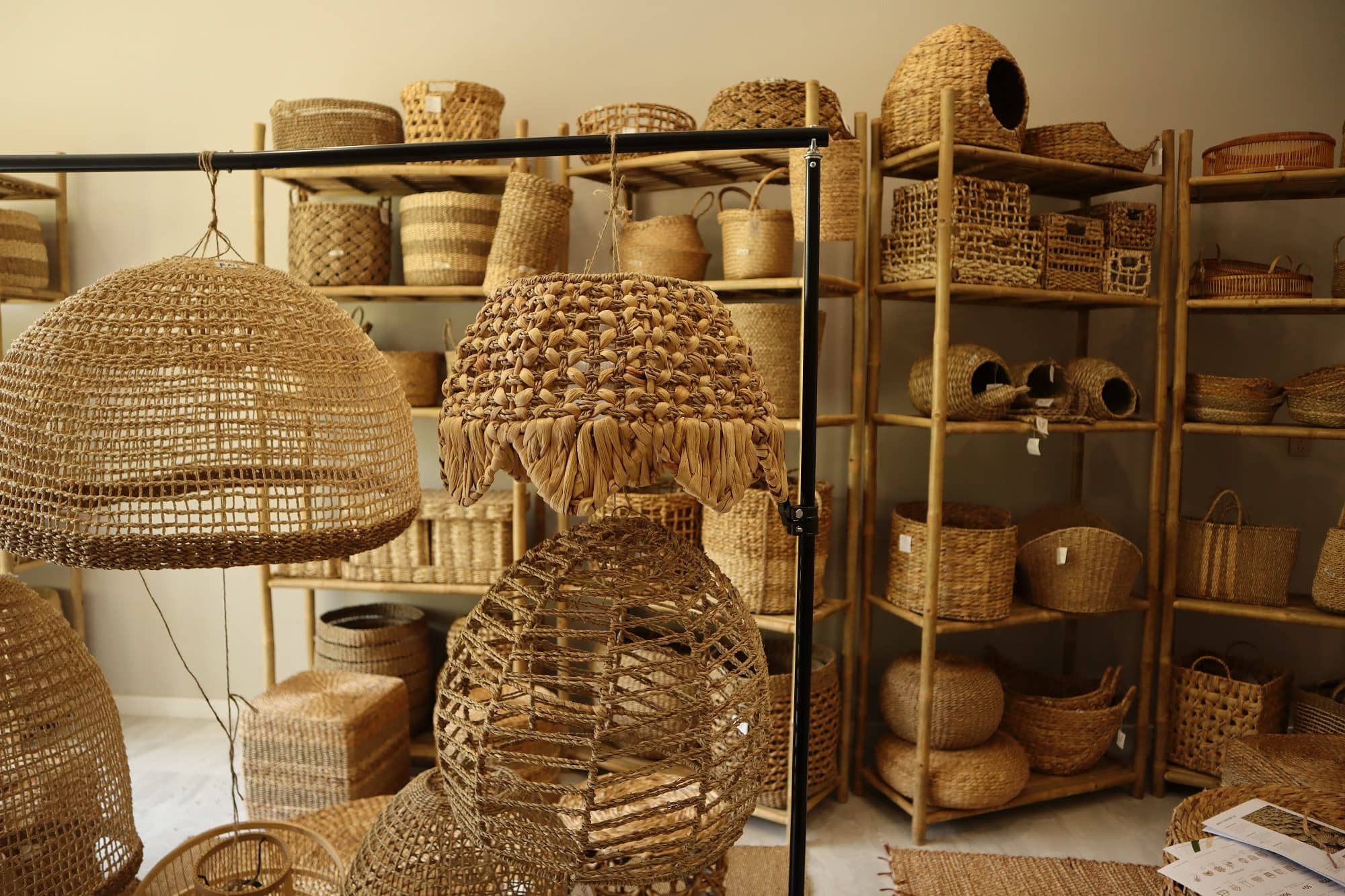
Every design in our range is produced in the same SMETA and BSCI audited factory.


Frequently asked questions
What does SMETA stand for?
SMETA stands for Sedex Members Ethical Trade Audit. It assesses a supplier’s labour standards and health and safety, and in its four-pillar version also covers environmental performance and business ethics.
What does BSCI stand for?
BSCI stands for Business Social Compliance Initiative, run by the European association amfori. It applies a single code of conduct on workers’ rights and safe conditions and grades suppliers across performance areas.
What is the difference between SMETA and BSCI?
Both verify fair labour and safe working conditions. BSCI produces a graded result and is popular with EU buyers; SMETA is a shared audit methodology whose four-pillar version reaches further into environment and business ethics. Many suppliers hold both.
Is SMETA or BSCI a certification?
Neither is a certification in the strict sense. Both are audits that capture a supplier’s compliance at the time of assessment, which is why you should always check the report date.
Why should I ask a Vietnamese supplier for their SMETA or BSCI report?
Because a logo is not proof. The report confirms the audit was done, shows the result and date, and lets you verify that ethical claims are independently checked. Viet Trang can share its current SMETA and BSCI summary on request.
Ask for our audit summary
Viet Trang is audited under both SMETA and BSCI. Ask us for our current audit summary, or request samples to start the conversation.

To receive lots of incentives with dedicated and professional service...
Or view more handwoven product in our
lookbook collection
CONTACT NOW
+84 915 709 666
(WhatsApp available)