Inside Nga Son: Vietnam’s Seagrass Weaving Village and Our Roots
31 Jul 2026Nga Son is a coastal district in Thanh Hoa Province, Vietnam, historically regarded as one of the country’s oldest and most important grass-weaving regions and a home of Vietnamese mat-weaving. Seagrass and sedge have been grown, harvested and woven here for generations, giving the area a depth of craft knowledge that is difficult to replicate. Viet Trang was founded in Nga Son and still makes its homeware here, which means our fiber grows close to our looms and our weavers carry skills passed down through families. This is the place our materials, our craft and our story all come from.
Key takeaways
- Nga Son, in Thanh Hoa Province, is one of Vietnam’s oldest grass and seagrass weaving regions.
- Its mat-weaving heritage is famous and stretches back more than 150 years.
- Seagrass is grown and harvested locally, so the fiber and the craft live in the same place.
- Viet Trang began here in the 1970s and still makes its products in Nga Son today.
Where our story begins
Every product has an origin, but not every product can point to a single place and say the material, the skill and the maker all come from here. Ours can. That place is Nga Son, a coastal district in Thanh Hoa Province in north-central Vietnam, around 40 kilometres from the provincial city, and it is where Viet Trang was born and still works today.
To understand our baskets and rugs, it helps to understand Nga Son, because the character of the place is woven into everything we make.
A village built on seagrass
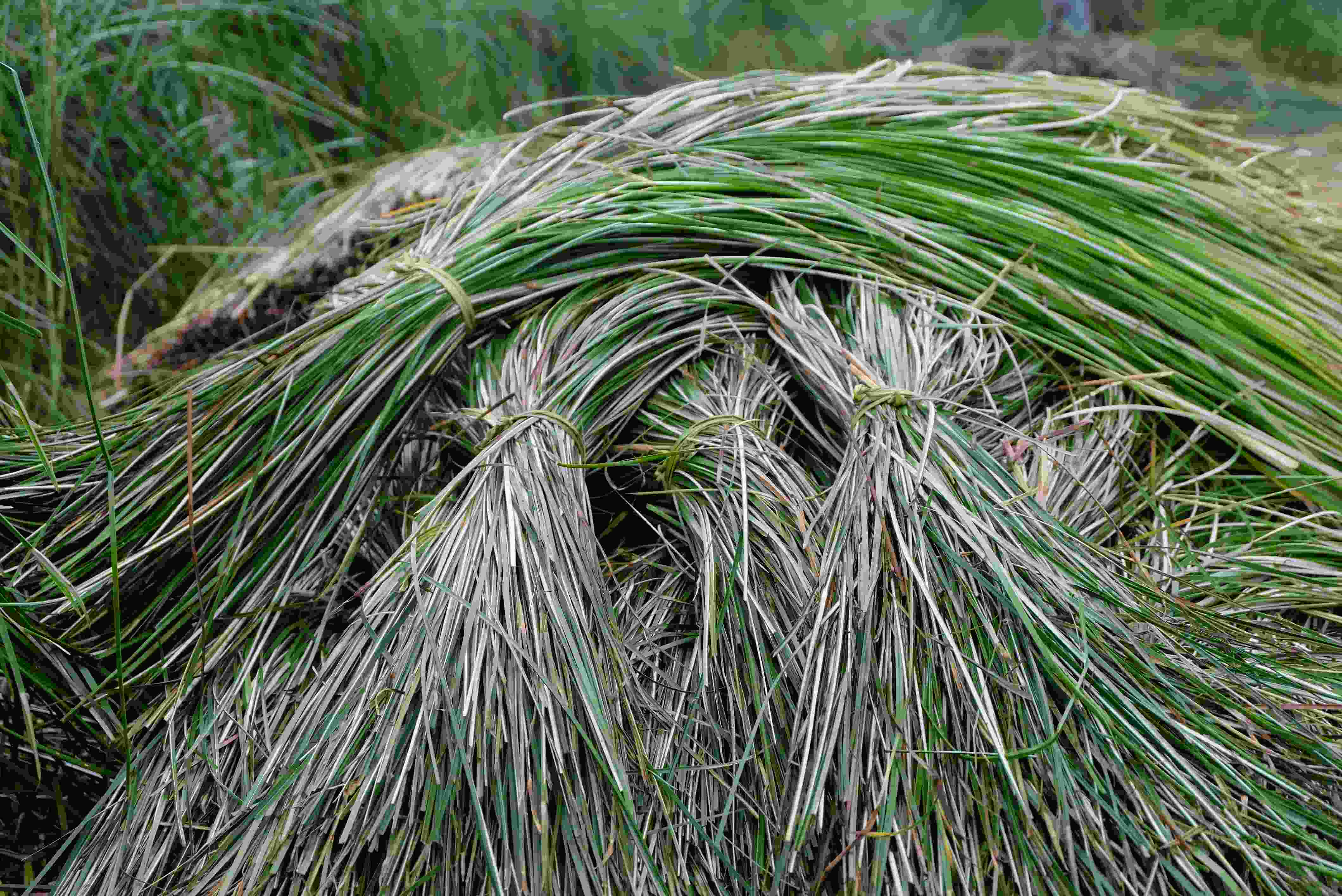
Nga Son is one of Vietnam’s oldest and most storied grass-weaving regions, long considered a home of Vietnamese mat-weaving. Its sedge and seagrass mats, known across the country, carry a tradition that reaches back more than 150 years, and in the past Nga Son mats were fine enough to be sent as tribute to the royal court. The fiber grows in the district’s coastal, nutrient-rich soil, and generations of families have harvested it by hand, mainly through the summer months, then sorted, split, sun-dried and woven it.
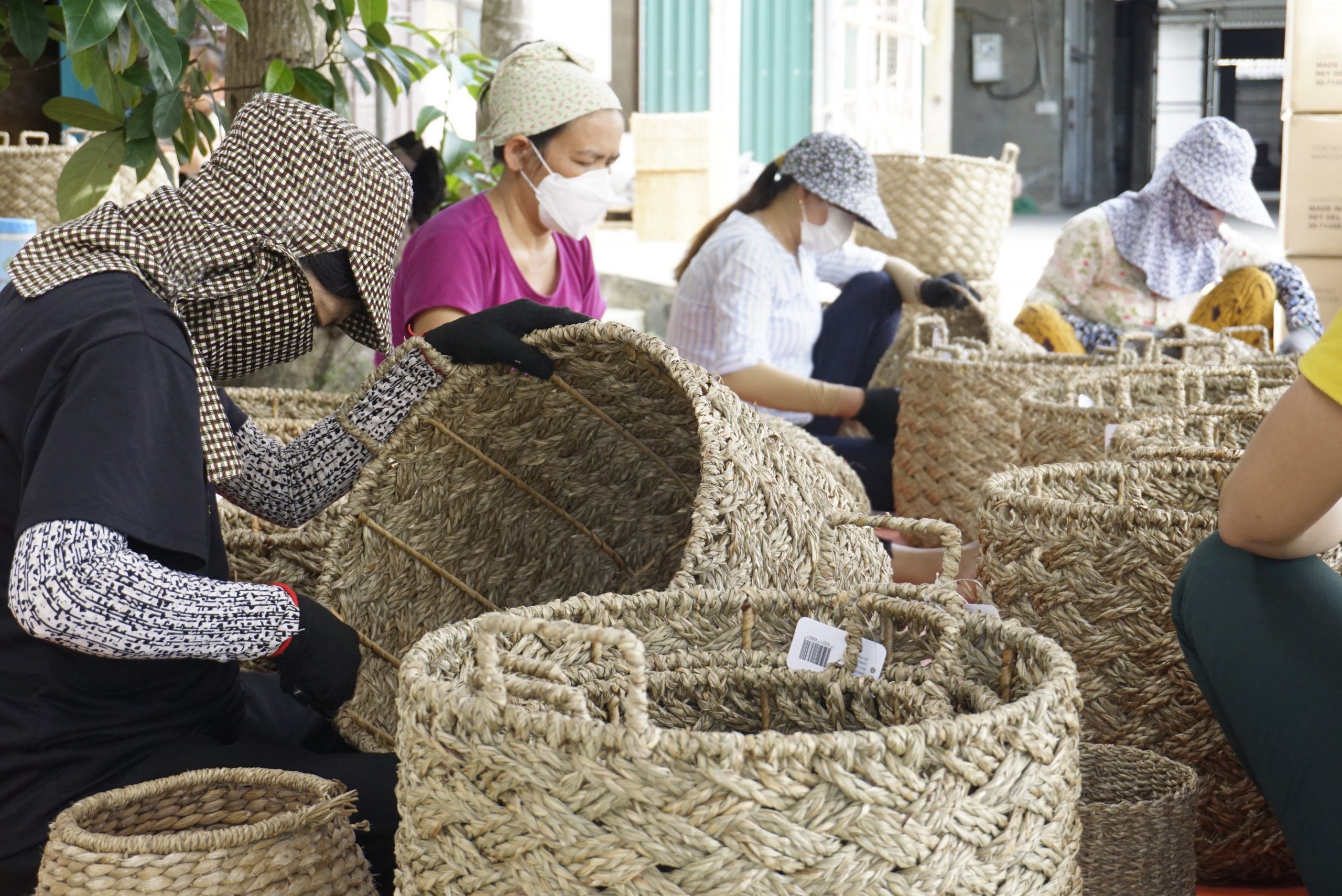
That history is not a marketing line, it is a working reality. The knowledge of how to grow good fiber, when to harvest, how to dry it and how to weave it into something that holds its shape has been handed down over decades. When a craft has been practiced in one place for that long, the standard is held in the hands of the people, not written in a manual. A weaver in Nga Son learned from someone who learned from someone before them.

Fiber and craft in the same place
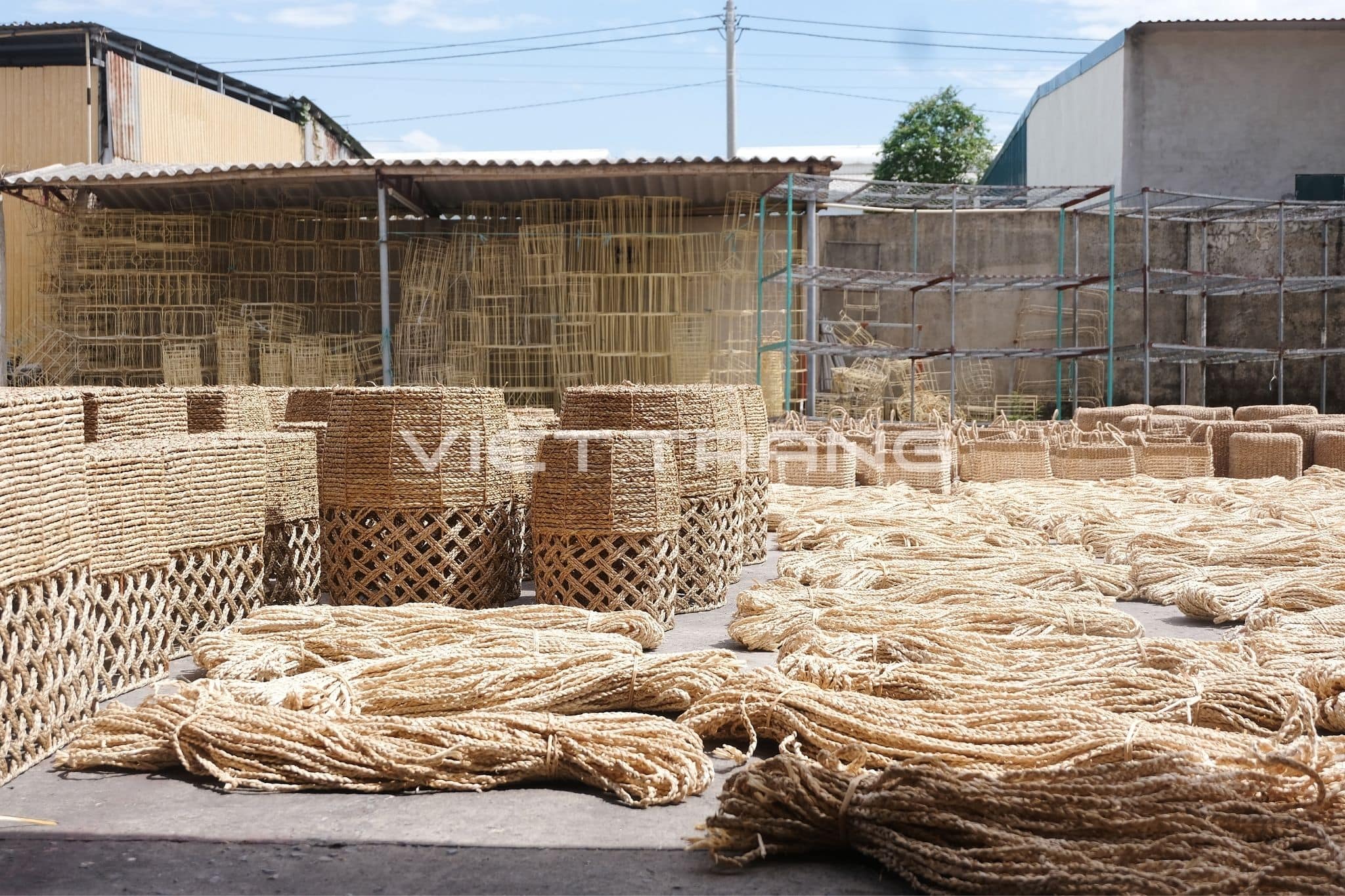
The practical advantage of Nga Son is proximity. The seagrass we weave is harvested locally, in the same region as our workshop. That short distance from field to loom means fresher fiber, tighter control over its quality, and none of the compromises that come from shipping raw material across the country before anyone begins to weave.
It also means the whole story stays in one location. The fiber, the drying, the weaving and the finishing all happen in and around Nga Son, which is why we can speak about our products with real specificity rather than a vague claim of “handmade in Vietnam.”
Our roots here
Viet Trang started in the 1970s as a household craft business in this village, in the ordinary way so many Vietnamese crafts began: a family, a skill and a material close at hand. Our founder, Mrs. Tran Thi Viet, built the business from that tradition, and it was officially registered in 2001 as it grew from local and Asian markets toward global export.
Today the company is led by the second generation, and it still makes its homeware in Nga Son, now from a 9,000 square metre workshop working with 500 to 600 seasonal weavers from the area. That combination, deep local roots and a modern, audited operation, is exactly what lets us keep the craft authentic while serving buyers in more than thirty countries.

Why this matters to a buyer
For a buyer, an origin like Nga Son is more than a nice story, though it is that too. It is a source of trust and a source of quality. You are buying from the place where the material grows and the skill lives, not from an intermediary assembling products from wherever fiber is cheapest. That gives you a genuine, uncopyable narrative to share with your own customers: a named village with real heritage, a real material, and a real maker rooted in both.
It also underpins consistency. Craft this established, kept in its home region, is what allows quality to hold order after order.

The maker’s bottom line
Nga Son is not a backdrop to what we do, it is the foundation of it. The village gave us our material, our craft and our beginning, and staying rooted here is a deliberate choice about how our homeware should be made. When you source from Viet Trang, you are sourcing from the seagrass village itself. If you would like to build on that, we would be glad to start a conversation and, in time, show you exactly where and how your products are made.
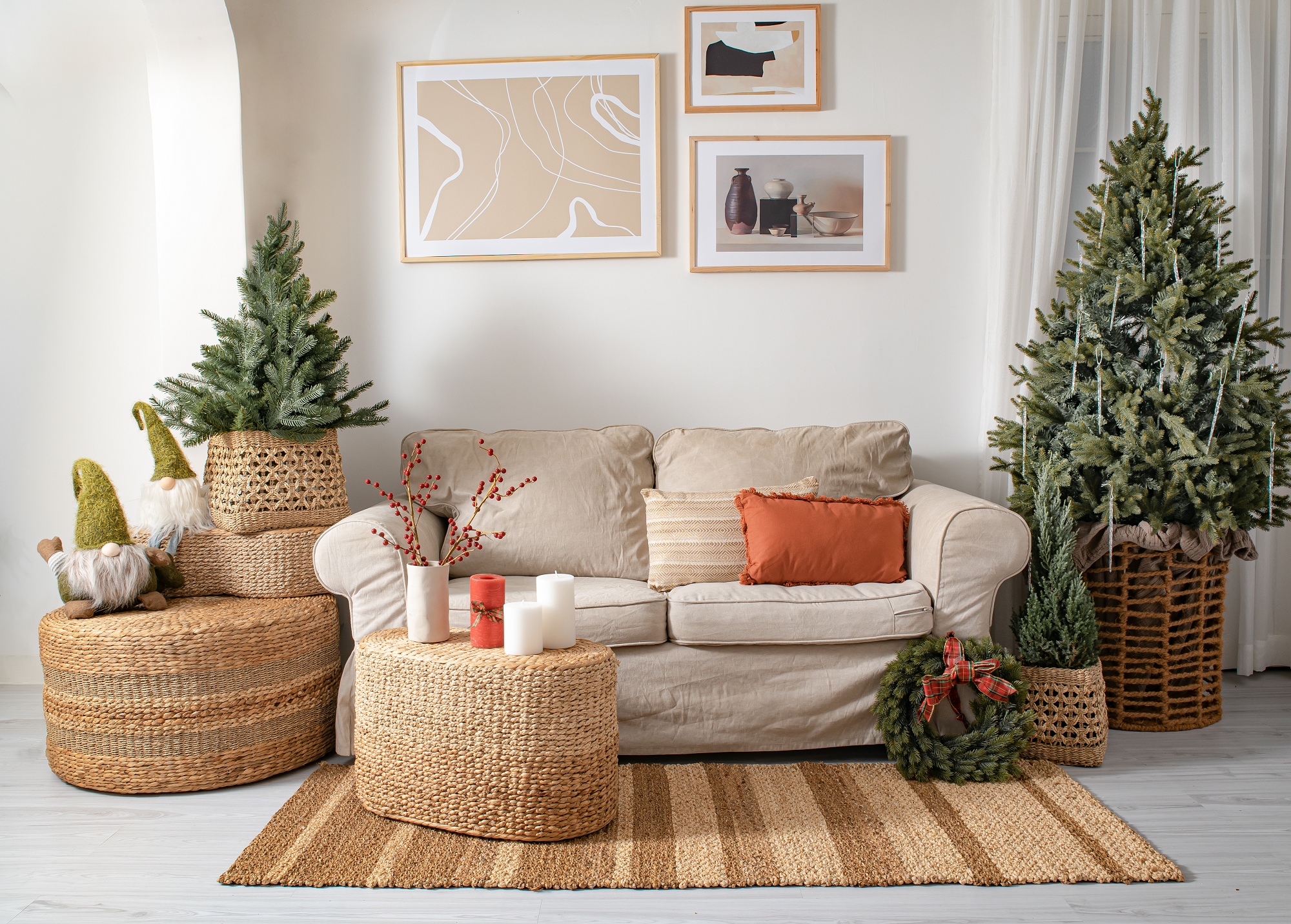
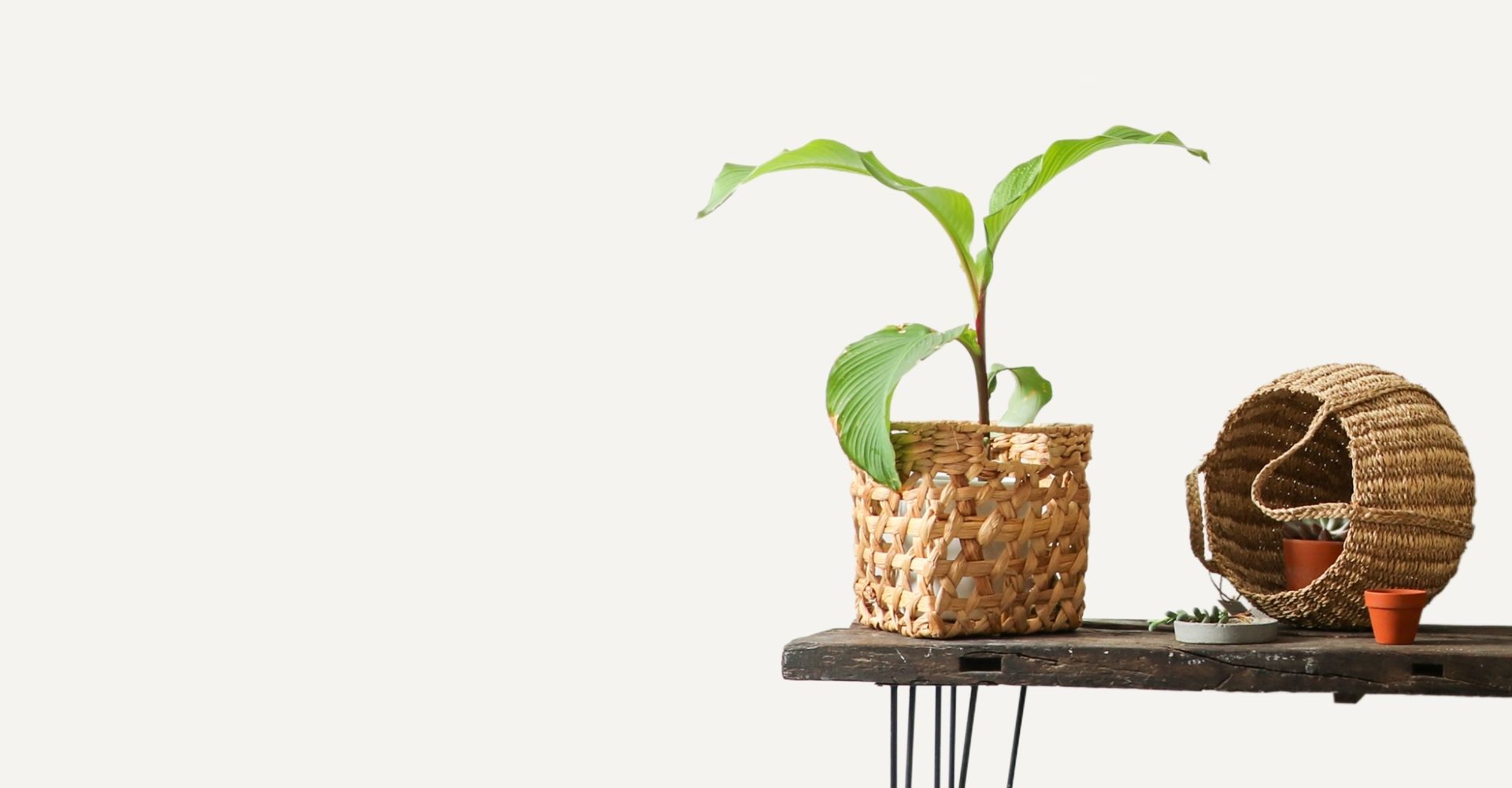
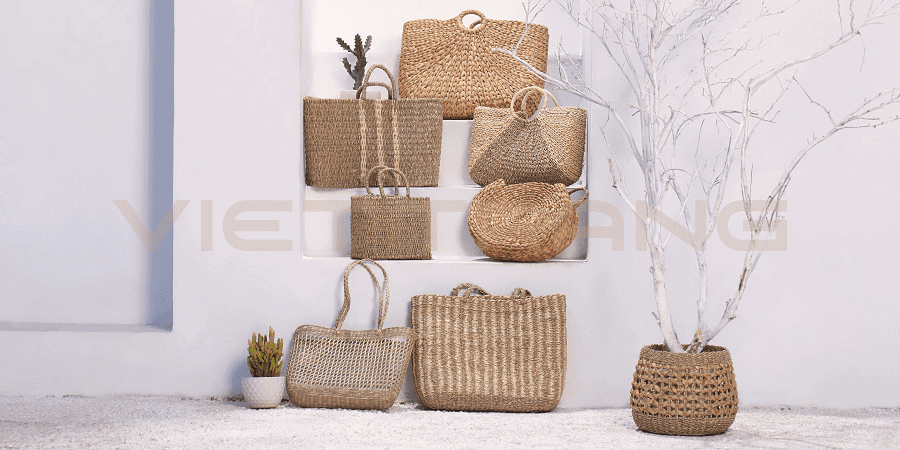
Made from Nga Son seagrass
Products woven from the seagrass grown around our village.


Frequently asked questions
Where is Nga Son?
Nga Son is a coastal district in Thanh Hoa Province in north-central Vietnam, about 40 kilometres from the provincial city. It is historically regarded as one of the country’s oldest grass and seagrass weaving regions and a home of Vietnamese mat-weaving.
Why is Nga Son important for seagrass products?
Seagrass and sedge are grown, harvested and woven in Nga Son, and the craft has been practiced there for well over a century. That combination of local material and deep, inherited skill is difficult to replicate elsewhere.
Is Viet Trang based in Nga Son?
Yes. Viet Trang was founded in Nga Son in the 1970s and still makes its homeware there today, from a 9,000 square metre workshop working with 500 to 600 seasonal weavers from the region.
What does sourcing from the village actually give a buyer?
You buy from the source of both the material and the skill, with fresher fiber, tighter quality control and a genuine, specific origin story to share with your own customers.
What is grown and made in Nga Son?
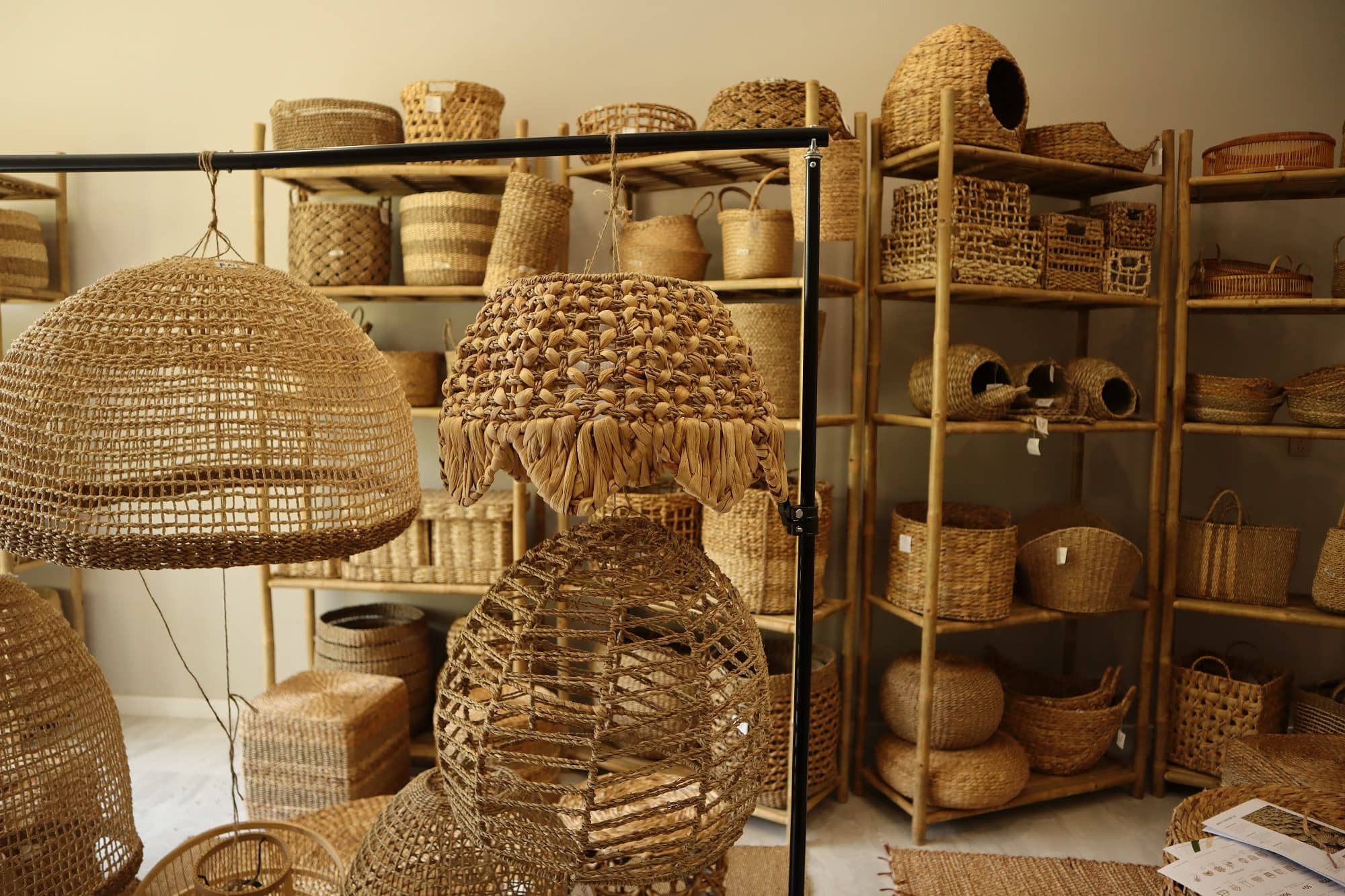
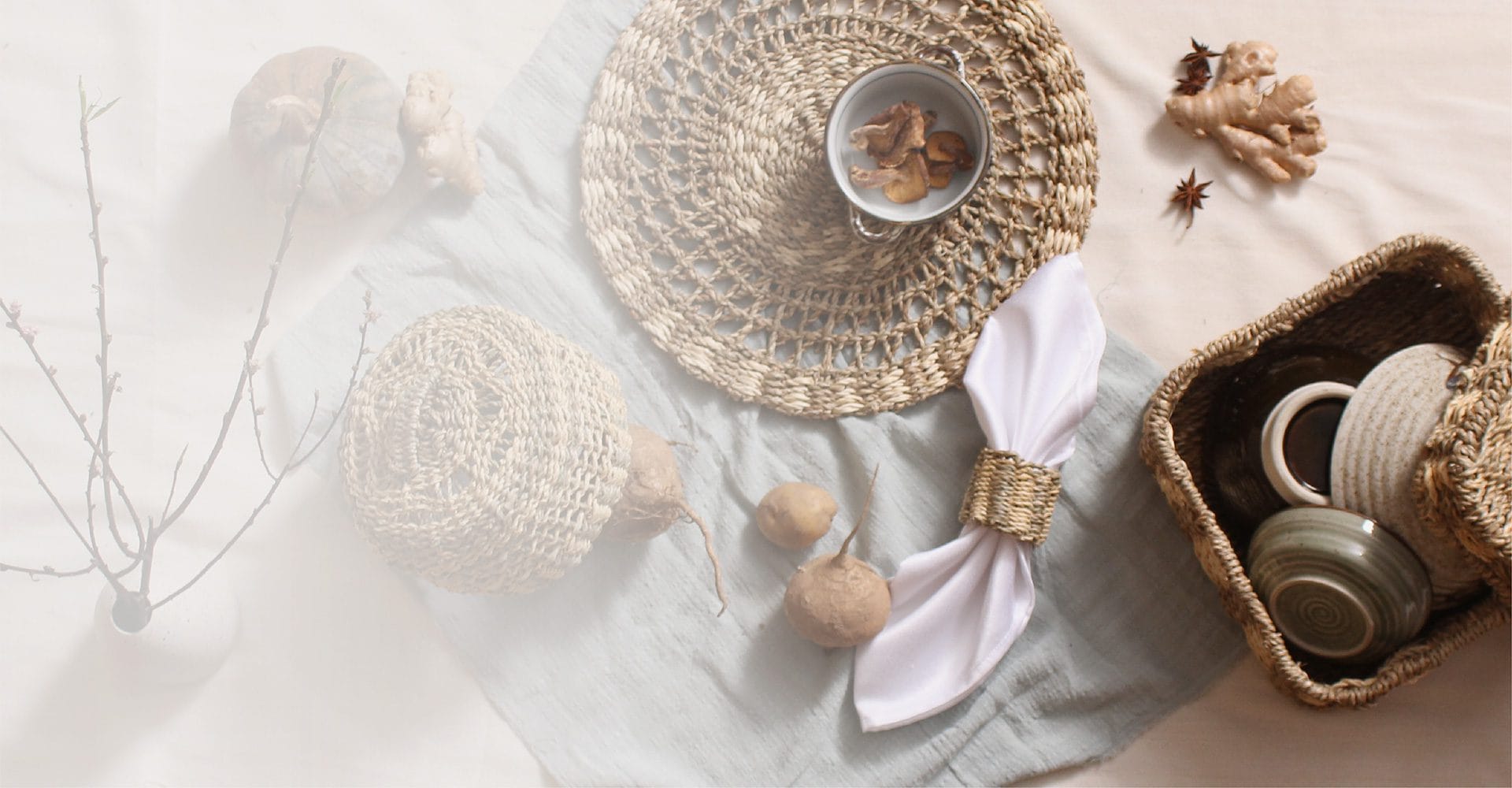
Seagrass and sedge are grown and harvested locally and woven into mats, baskets, rugs and other natural fiber homeware, often combined with other fibers such as water hyacinth and corn husk.
Ready to source with Viet Trang?
Want to source from the village where seagrass is grown and woven? Start a conversation with us.

To receive lots of incentives with dedicated and professional service...
Or view more handwoven product in our
lookbook collection
CONTACT NOW
+84 915 709 666
(WhatsApp available)