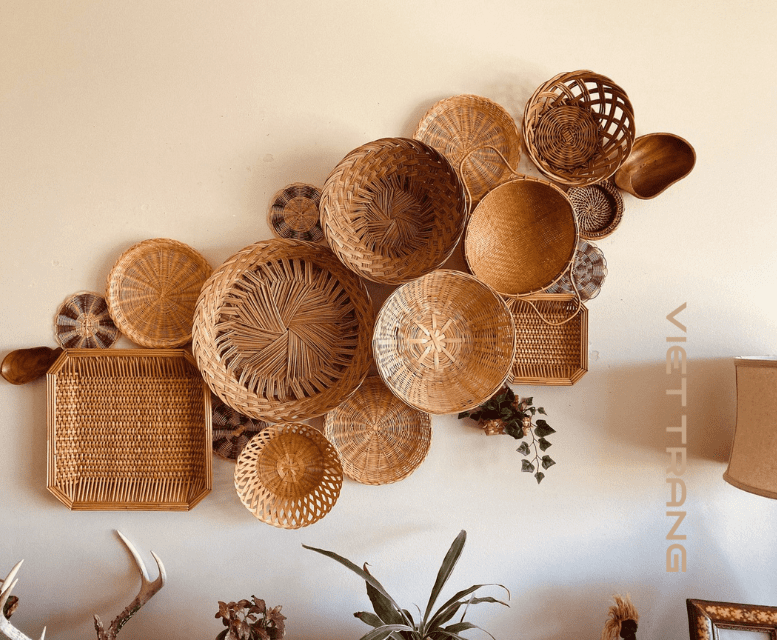
Seagrass Baskets from Vietnam: Woven in Nga Son
24 Aug 2021
Table Of Contents
hide

For more than fifty years, the village of Nga Son in northern Vietnam has woven seagrass into baskets, rugs, and homeware that ship around the world. This is the story of how a Vietnamese seagrass basket is made, from the green fields where the grass is harvested to the artisans who weave it by hand, and how you can source these baskets wholesale.
Key takeaways
- Seagrass baskets are handwoven from a coastal grass grown in Nga Son, one of Vietnam’s oldest weaving villages.
- The fiber is harvested by hand from May to September, sorted by length, split, sun-dried, and woven entirely by hand.
- Seagrass is naturally durable and a warm, natural brown, with no dyes.
- Viet Trang is SMETA / Sedex audited and exports to more than 30 countries.
What is a seagrass basket?
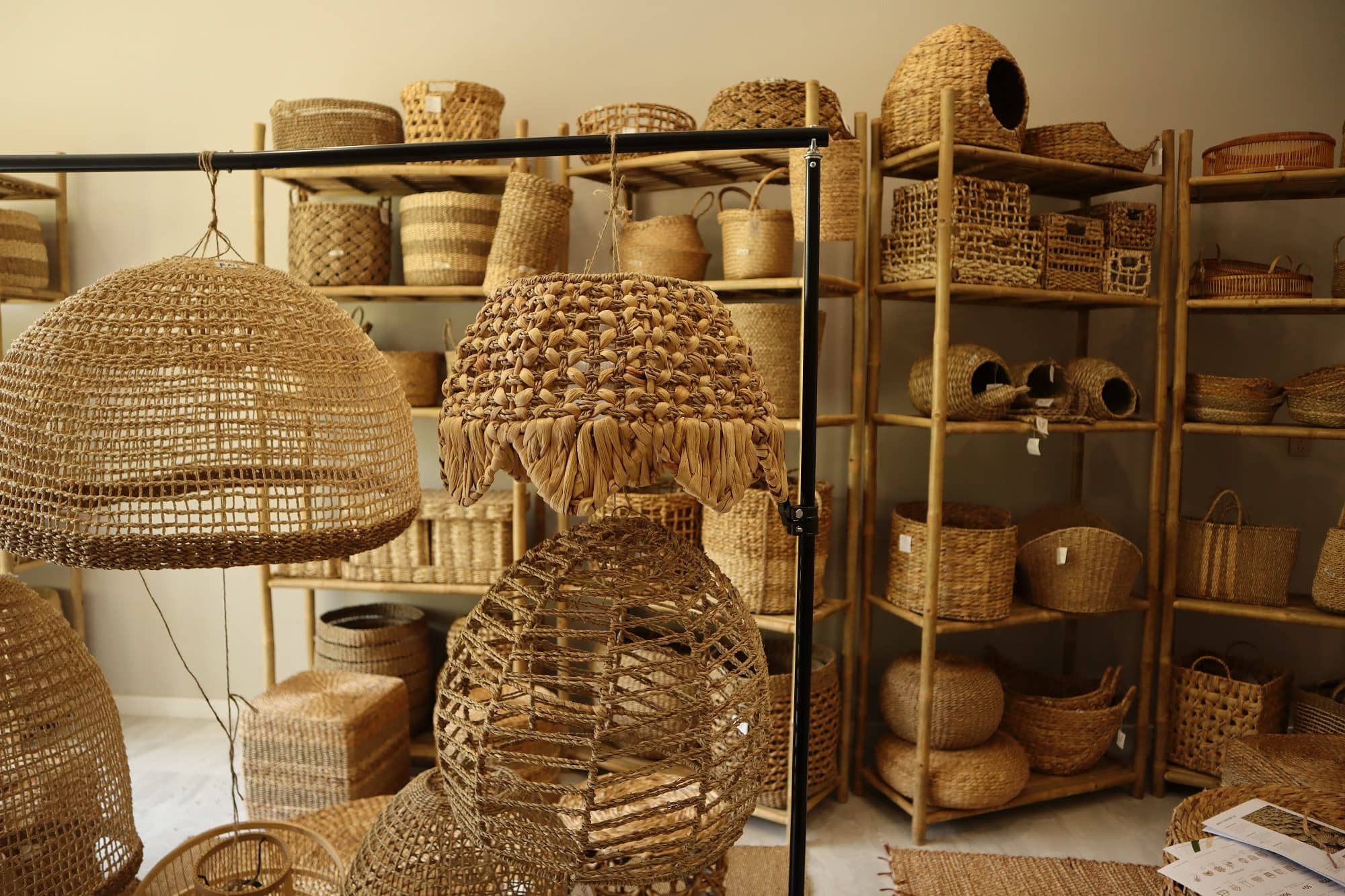
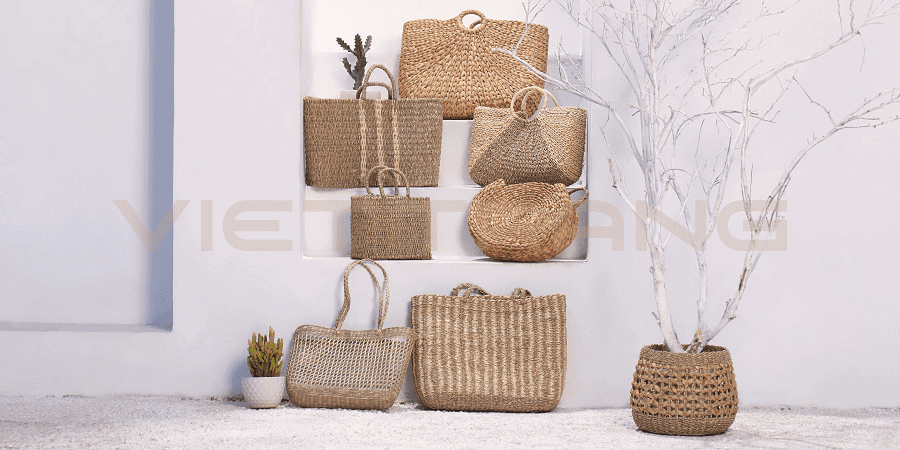
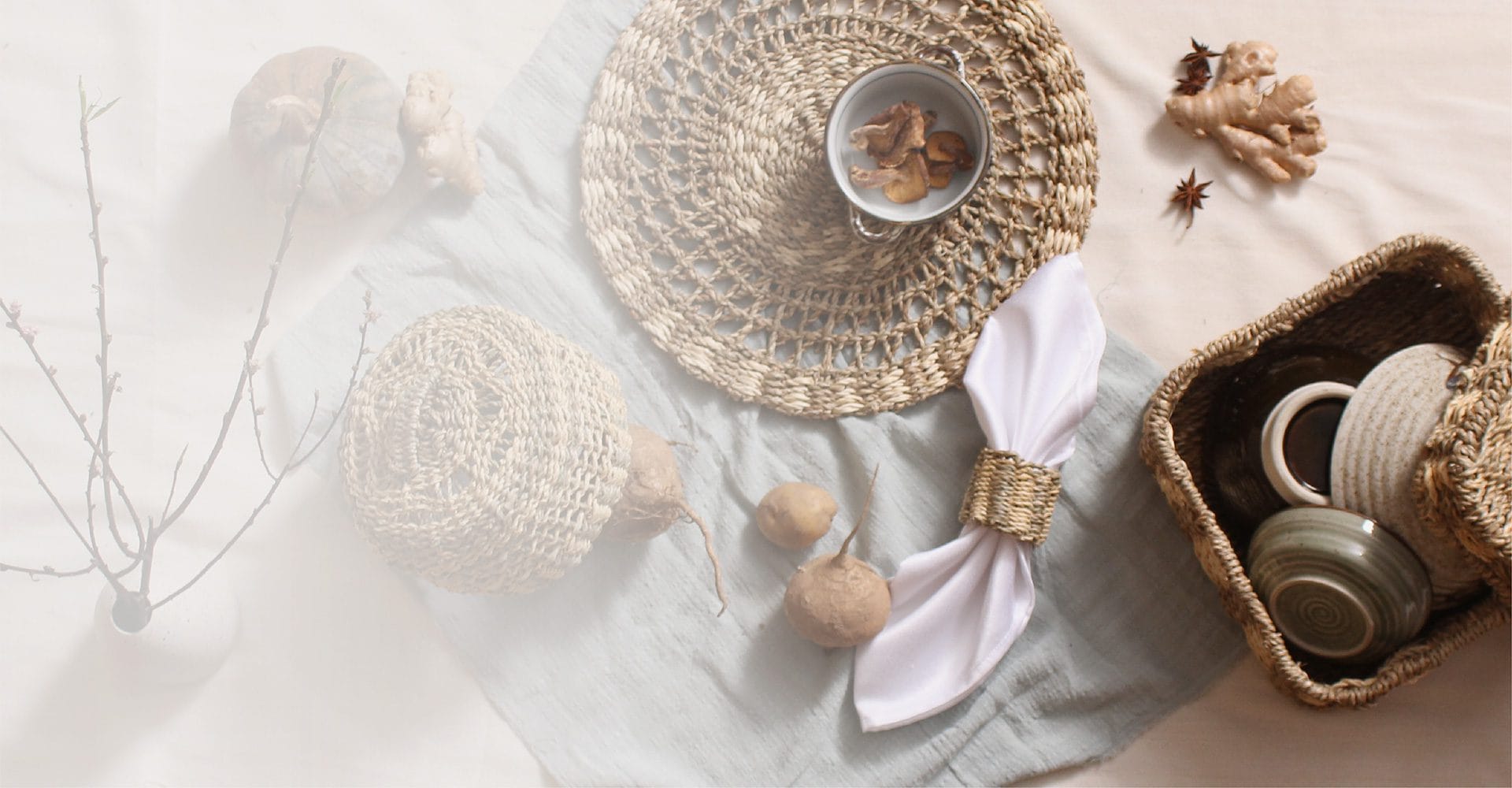
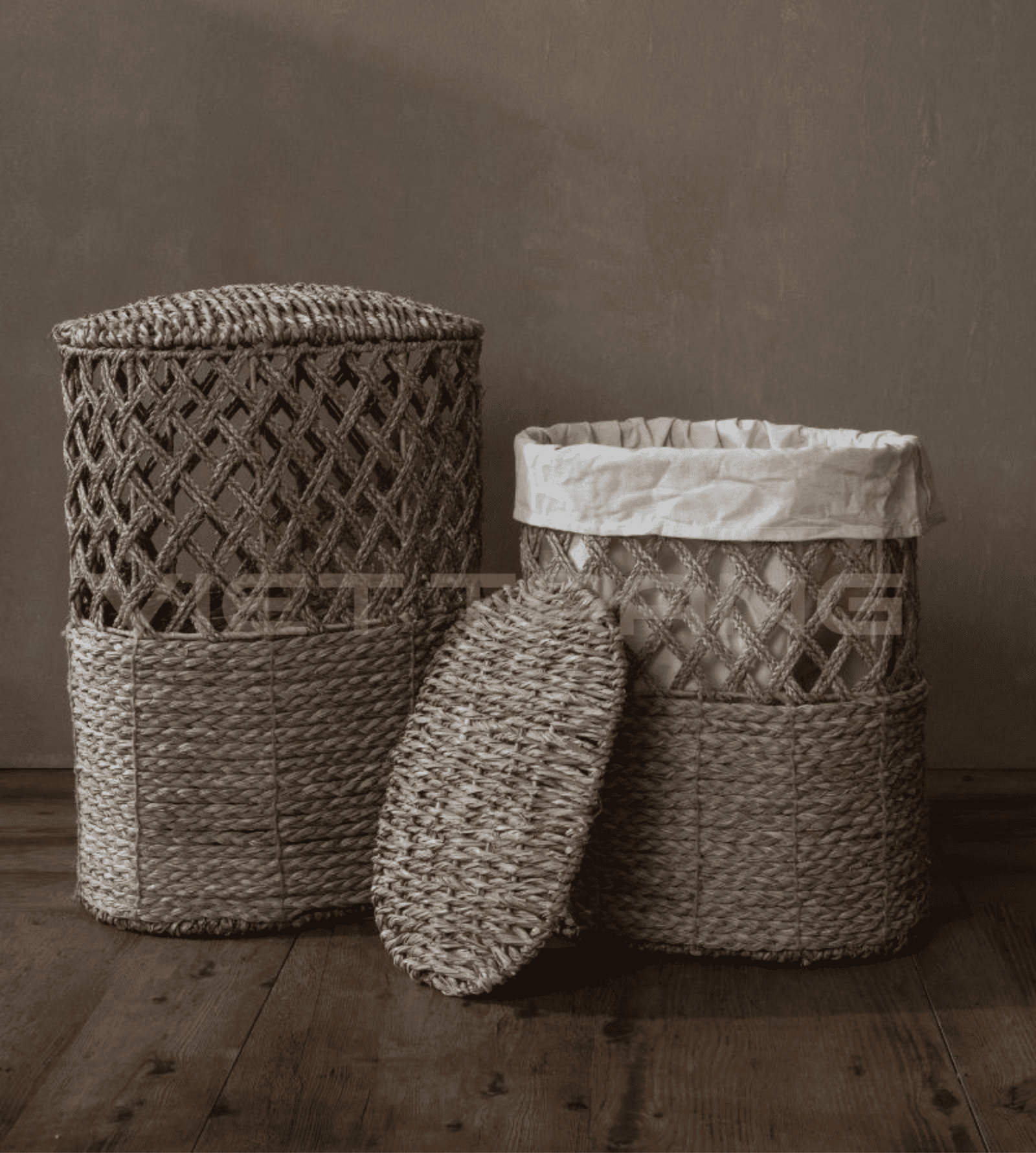
A seagrass basket is handwoven from seagrass, a tough coastal grass that grows in shallow, salty fields. The dried fiber is a warm, natural brown and needs no dye, and it is strong enough to hold its shape for years, which makes it ideal for storage baskets, laundry hampers, and decorative pieces. For how it compares to the other popular fiber, see our guide to the differences between seagrass and water hyacinth.
Nga Son: Vietnam’s traditional seagrass village
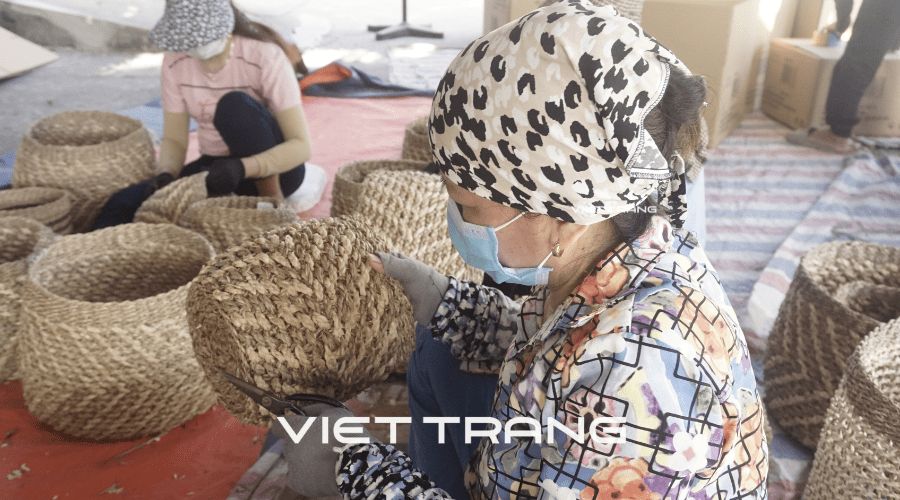
Nga Son is one of Vietnam’s most famous century-old craft villages, known both for its mat-weaving heritage and for its vast seagrass fields. Seagrass from this region is prized for its durability and is well suited to handwoven baskets. Since the 1970s, artisans here, mostly women, have grown up surrounded by the fiber, learning weaving skills passed down from their mothers and grandmothers and keeping a Vietnamese tradition alive.

How is seagrass harvested?
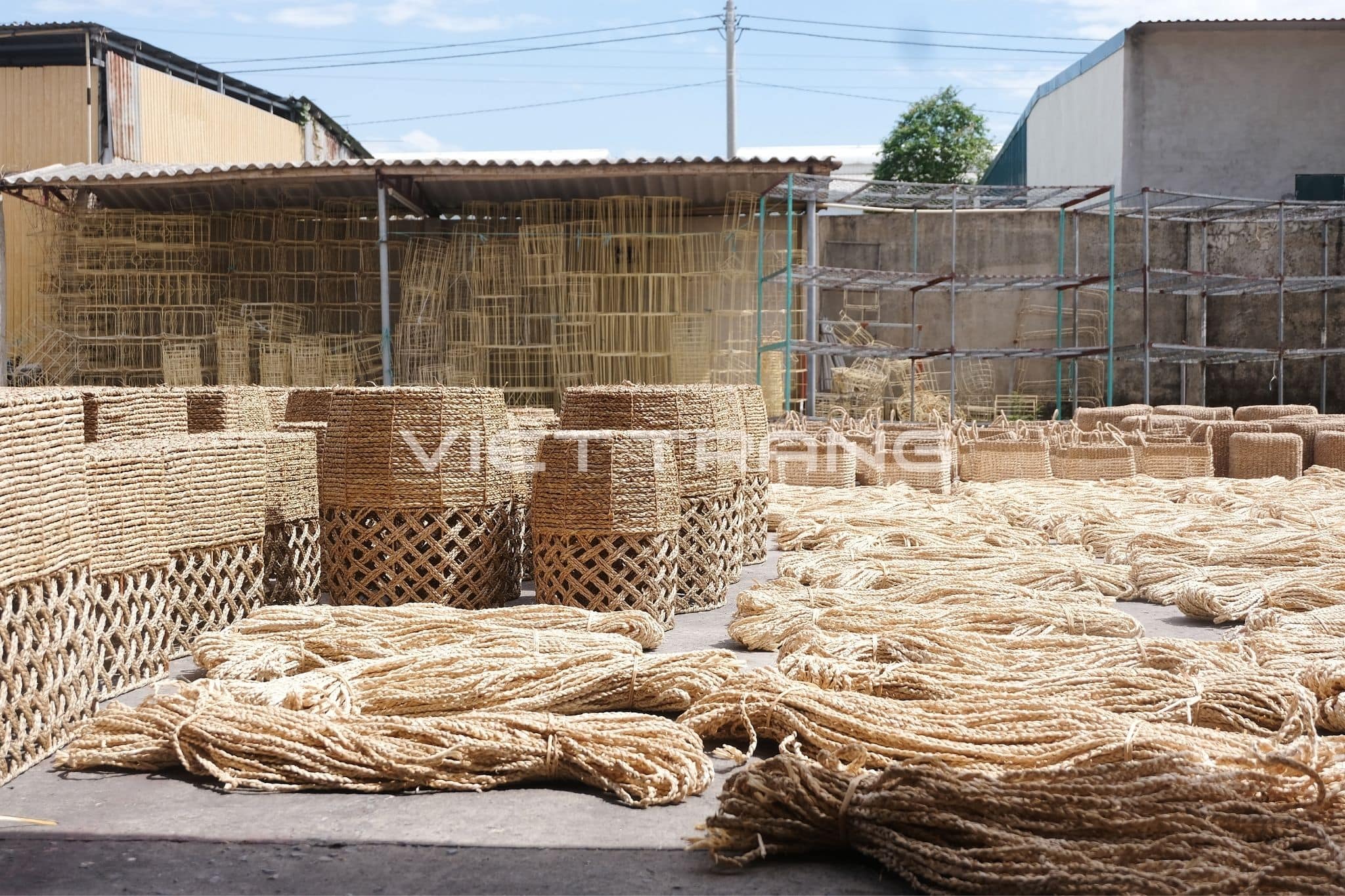
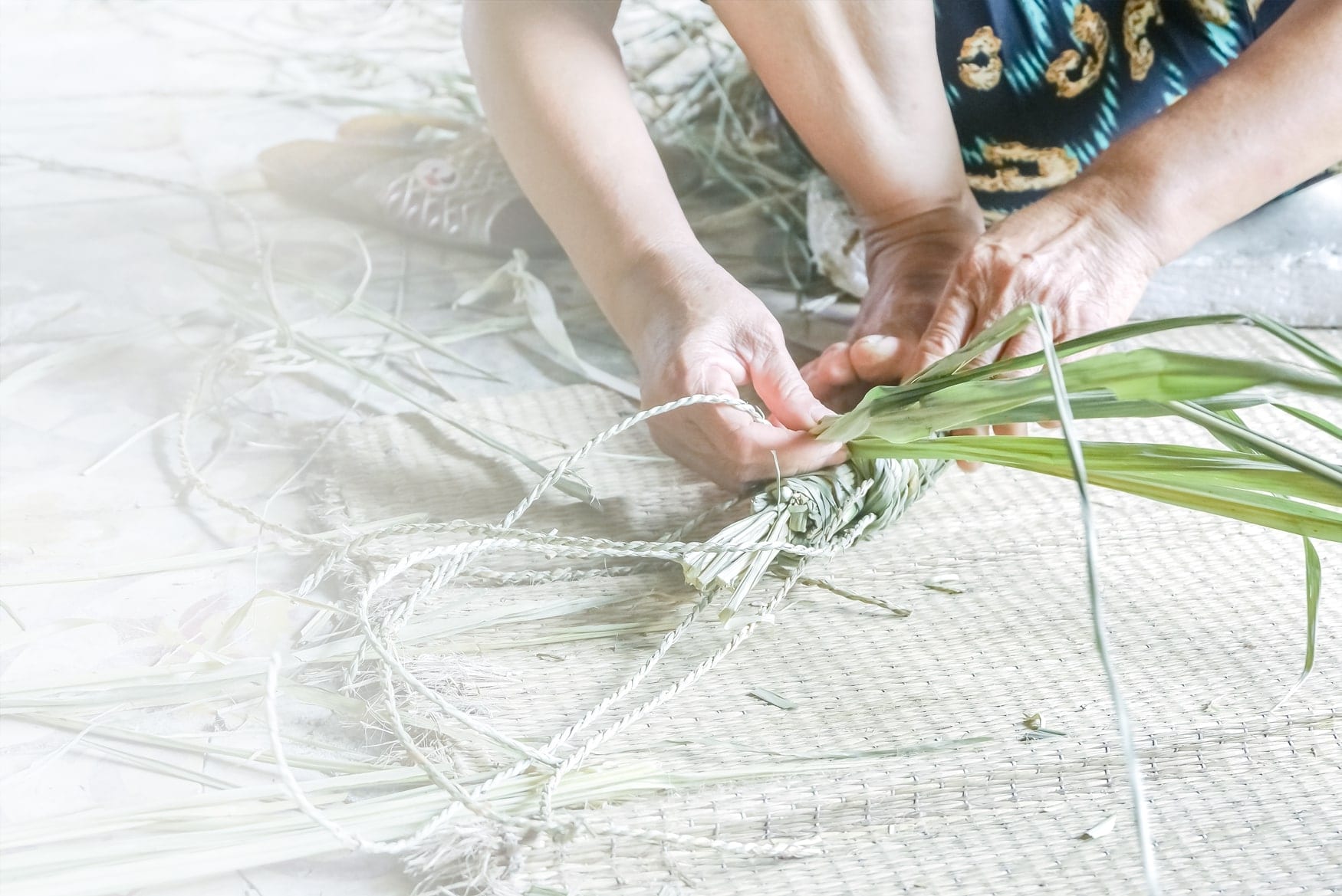
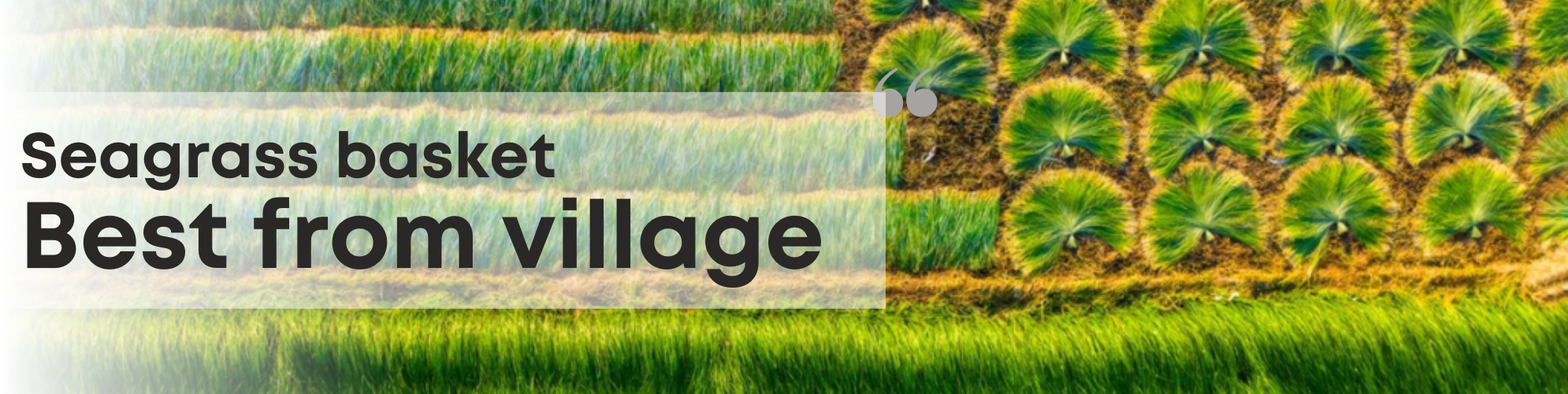
Harvesting seagrass is hard, patient work. The best season runs from May to September, and to keep the sun from drying out the grass too quickly, farmers often work the fields from twilight to dawn. After the root is cut, the grass is shaken out and the short layers are separated, then the harvest is sorted by length: the longest grass (over 1.65 m) is graded for export-quality baskets, while medium lengths (around 1.5 to 1.6 m) are used for smaller pieces.


How are seagrass baskets woven?
Once harvested, the fiber is processed: split, twisted, or braided depending on the design. Splitting is a crucial, time-sensitive step, because if the grass is not split in time it becomes very hard to work. The split seagrass is then sun-dried at the hottest part of the day to build a tough, durable texture and an even color. Only then comes the hand-weaving, which is done entirely by hand using techniques refined over generations. Designs follow current market trends, and the weaver’s skill brings each pattern to life.


Finishing and quality control
When weaving is complete, each basket is shaped, cleaned, and dried to international quality standards, then retouched, carefully packaged, and shipped. These stages have been passed down across generations and refined with new design and quality practices, so every piece leaves the workshop ready for retail shelves.

Ethical production and Sedex membership
Quality is not only about the fiber. A safe working environment matters just as much, which is why Viet Trang is a member of Sedex, one of the world’s leading ethical-trade organizations, and is audited under SMETA. Meeting these standards means our partners can source seagrass baskets with confidence in both the product and the conditions they are made in.
Sourcing seagrass baskets from Viet Trang
Viet Trang is a natural homewares manufacturer in Nga Son, Thanh Hoa Province, Vietnam, with over 20 years of export experience to more than 30 countries. We weave more than 250 basket designs, including baskets that combine seagrass with palm leaf, and we offer bespoke development with dedicated design support. To go deeper, see our guides to basket weaving supplies and wholesale woven baskets, or browse our storage baskets.
Frequently asked questions
What is a seagrass basket?
A basket handwoven from seagrass, a tough coastal grass. The fiber is a warm natural brown, undyed, and durable enough for everyday storage and laundry baskets.
Where do seagrass baskets come from?
Many of the world’s seagrass baskets are woven in Vietnam. Nga Son, in Thanh Hoa Province, is one of the country’s oldest and best-known seagrass weaving villages.
How are seagrass baskets made?
Seagrass is harvested by hand, sorted by length, split and sun-dried, then woven entirely by hand and finished by shaping, cleaning and drying to quality standards.
Are seagrass baskets durable?
Yes. Seagrass fiber is fine but tough, so a well-made seagrass basket keeps its shape and lasts for years of regular use indoors.
Can I buy Vietnamese seagrass baskets wholesale?
Yes. Viet Trang supplies wholesale buyers worldwide from Nga Son, Vietnam, and provides samples for serious enquiries.
Looking for seagrass baskets from Vietnam?
Tell us the designs and quantities you need, and we will send a wholesale quote, or a free sample for serious enquiries, straight from Nga Son.

To receive lots of incentives with dedicated and professional service...
Or view more handwoven product in our
lookbook collection
CONTACT NOW
+84 915 709 666
(WhatsApp available)