How to Prevent and Treat Mold on Natural Fiber Baskets: A Maker’s Guide
31 Jul 2026Mold on seagrass and water hyacinth baskets is caused by moisture, not by any flaw in the fiber. It appears when baskets are stored damp, kept in humid conditions or sealed in packaging without airflow, especially during long ocean transit. To prevent it, keep baskets dry and well ventilated and make sure they are fully dried before packing. To treat light mold, take the basket outside, brush off the surface growth, wipe with a cloth dampened in a mild vinegar solution, then dry it thoroughly in airflow or gentle sun. The key to both prevention and treatment is the same: dryness.
Key takeaways
- Mold is a moisture problem, not a material defect. Control the moisture and you control the mold.
- Prevent it by storing dry and ventilated, and by fully drying products before packing.
- Humid ocean transit is the most common trigger. Proper drying and breathable packing matter most.
- Treat light mold with brushing, a mild vinegar wipe and thorough drying.
Why natural fiber can get mold in the first place
Let us be plain about the material. Seagrass, water hyacinth, corn husk and palm leaf are natural plant fibers, and like anything organic they can grow mold if they stay damp for long enough. This is not a sign of poor quality. It is basic material science, and it applies to every natural fiber product on the market. Poor ventilation and humidity are the most common causes. The good news is that mold is entirely preventable, because it needs one thing to take hold: moisture.
Understanding that one fact makes the rest simple. Keep the fiber dry, and mold has nothing to work with. So yes, seagrass baskets can briefly get damp, but they should never be left wet.
The real culprit: moisture and transit
For importers, the most common place mold appears is not in the customer’s home but in the shipping container. A basket that goes into packaging even slightly damp, then spends weeks crossing the ocean inside a hot, humid, sealed container, can arrive with surface mold that was never there at the factory door.
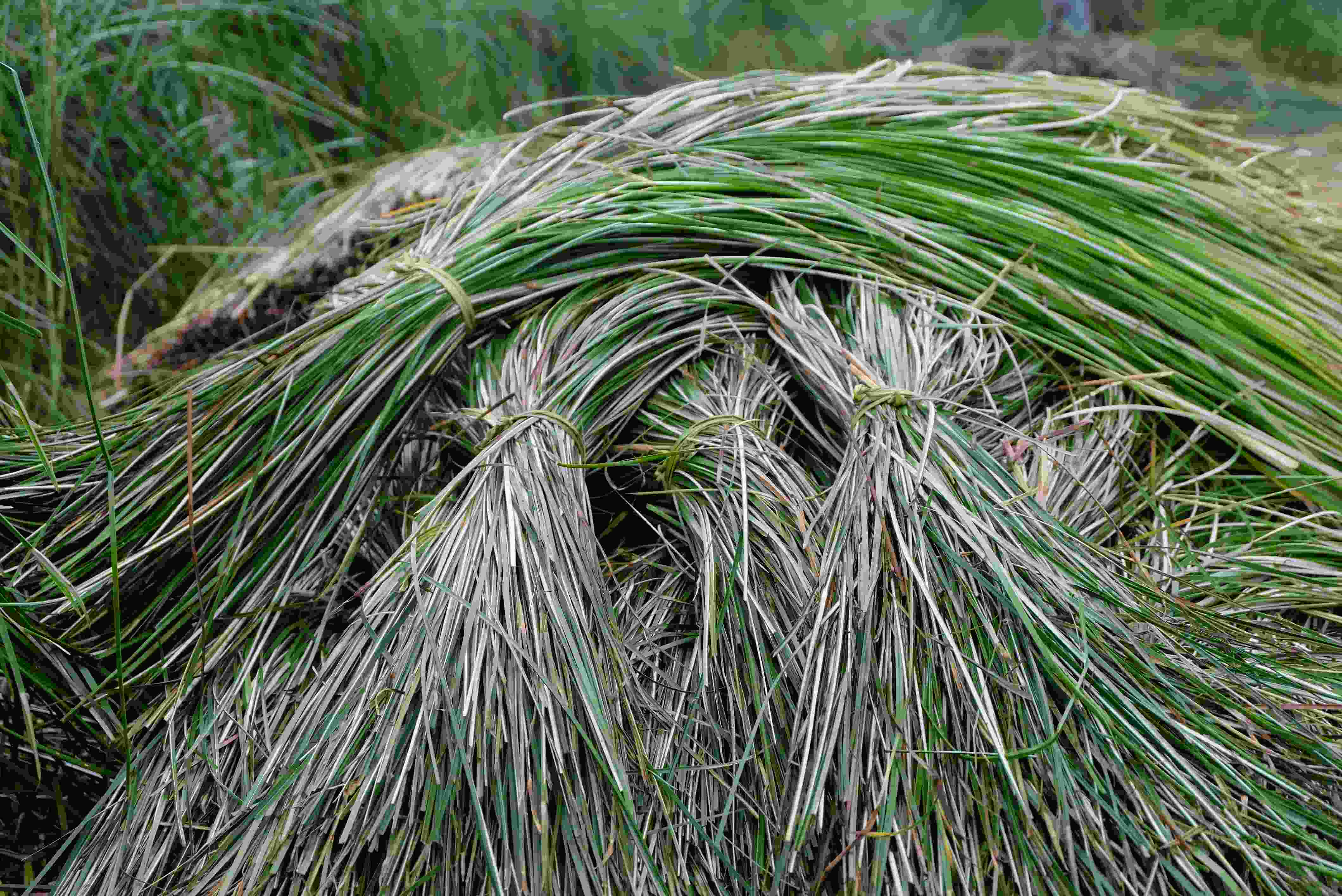
That is why how a maker dries and packs matters as much as how the basket is woven. Fiber should be properly dried before weaving and products fully dried before packing, then packed so a little air can move rather than sealed airtight while damp. When drying is done properly at the source, mold in transit becomes rare.
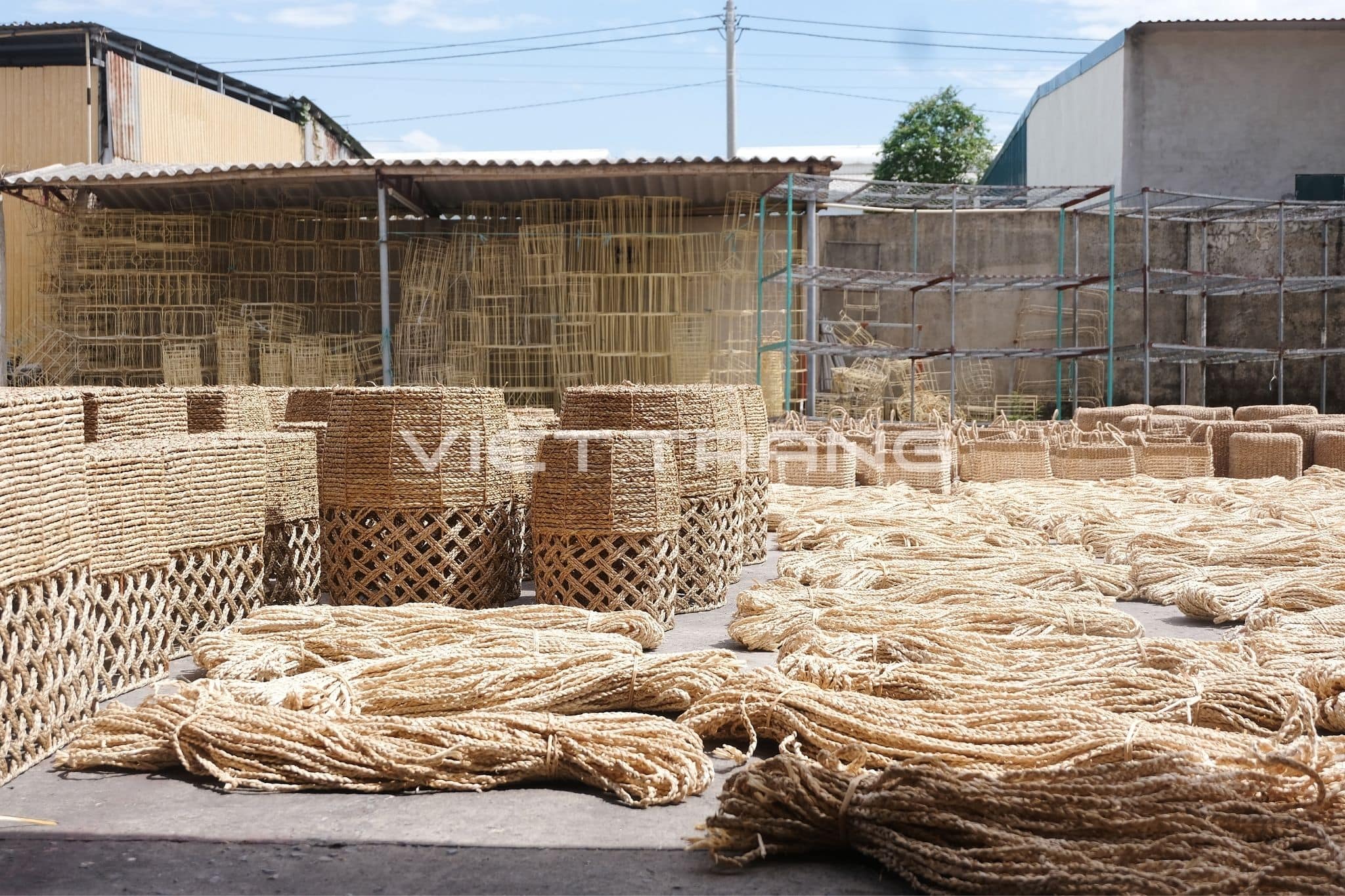
At Viet Trang, drying is a dedicated stage of production. We run warehouses with drying machines specifically so that fiber and finished products go into a container dry, which is the single biggest defense against transit mold.

How to prevent mold in storage and in the home
The same principle carries through the whole life of the product.
Keep baskets in dry, ventilated indoor spaces rather than damp basements, bathrooms or sealed cupboards. Avoid stacking large quantities tightly for long periods without any airflow. Do not leave baskets in contact with standing water or persistently wet items. And if a basket does get wet, dry it fully before storing or using it again.
For retailers holding stock, the advice is the same at scale: store in a dry, ventilated space and avoid sealing pallets of product airtight in humid conditions.
How to treat mold if it appears
If light mold does show up, it is usually straightforward to deal with. Work outdoors if you can, so you are not spreading spores indoors.

Start by brushing off the surface mold with a dry, soft brush to remove the loose growth. Next, wipe the affected area with a cloth dampened, not soaked, in a mild solution of white vinegar in water, around one part vinegar to three parts water. Vinegar is mildly antifungal and gentle on fiber. Then, and this is the important step, dry the basket thoroughly. Leave it in good airflow or gentle sun until it is completely dry, reshaping by hand while it is still slightly damp if needed.
Some guides suggest diluted bleach for stubborn mold. If you try it, test a small hidden area first, because it can lighten or damage the fiber. Avoid soaking the basket, scrubbing hard, or leaving it wet, since all of those either weaken the fiber or invite the mold straight back. For heavy or deep mold that has discolored the fiber, the honest answer is that the piece may not fully recover, which is exactly why prevention is the priority.

A note for buyers sourcing to humid markets
If your market or your route is humid, raise it with your supplier directly. Ask how they dry their products, whether drying is a controlled stage or left to chance, and how they pack for long ocean transit. A maker who takes drying seriously will have a clear answer. This one conversation prevents the most common natural fiber complaint before it ever reaches your customer.
The maker’s bottom line
Mold on natural fiber is real, but it is a moisture problem with a moisture solution. Dry the fiber properly at the source, pack it so it can breathe, and keep it dry through storage and use, and these baskets stay clean and sound for years. When it does appear, a brush, a mild vinegar wipe and thorough drying handle most cases. If you are sourcing for a humid climate, ask us how we dry and pack, because that is where the problem is truly solved.
*This is general homeware care guidance for routine surface mould, not a health assessment.*
Baskets made to travel well
Designs we dry and pack for long sea freight.


![[Best Selling] Wovenery Water Hyacinth Basket With Handles 13](https://viettrangcraft.com/wp-content/uploads/2020/12/wovenery-water-hyacinth-basket-with-lid-13.jpg.webp "How to Prevent and Treat Mold on Natural Fiber Baskets: A Maker's Guide 6")

Frequently asked questions
Why do seagrass and water hyacinth baskets get mold?
Mold is caused by moisture, not by a defect in the fiber. Natural plant fibers can grow mold if they stay damp, especially in humid storage, poor ventilation or sealed packaging during long transit. Keeping them dry prevents it.
How do I remove mold from a natural fiber basket?
Work outdoors, brush off the surface mold with a dry soft brush, wipe the area with a cloth dampened in a mild vinegar solution (about one part vinegar to three parts water), then dry the basket thoroughly in airflow or gentle sun.
How can I stop baskets from molding in shipping?
Make sure products are fully dried before packing and packed so air can move rather than sealed airtight while damp. Ask your supplier how they dry and pack for humid ocean transit.
Is vinegar safe to use on seagrass and water hyacinth?
Yes, a mild solution of white vinegar in water is gentle on the fiber and mildly antifungal. Use a barely damp cloth rather than soaking the basket, and dry it fully afterward.
Can a badly molded basket be saved?
Light surface mold usually cleans up well. Heavy mold that has discolored the fiber may not fully recover, which is why prevention through proper drying and dry storage is the priority.
Ready to source with Viet Trang?
Sourcing for a humid market? Ask us how we dry and pack to keep baskets mould-free in transit.

To receive lots of incentives with dedicated and professional service...
Or view more handwoven product in our
lookbook collection
CONTACT NOW
+84 915 709 666
(WhatsApp available)