Two Generations, One Craft: The Viet Trang Story
6 Nov 2026Viet Trang began in the 1970s as a household craft business in a seagrass village in Nga Son, Thanh Hoa, and was registered as a company in 2001. It is now run by the second generation of the same family, works with between 500 and 600 seasonal weavers, and exports to more than 30 countries across five continents. The weaving has not changed much. Almost everything around it has.
This is the part of our business that does not fit on a product page, and buyers ask about it more often than we expect. So here it is plainly: where the company came from, what the two generations each brought to it, and why it still buys its fiber from farming households a few kilometres from the factory gate.
Key takeaways
- The business started as family weaving at home in the 1970s and was formally registered in 2001, the same year the Nga Son factory began production.
- Founder Tran Thi Viet won gold at the Empretec Women in Business Awards 2016, held as part of UNCTAD 14.
- The second generation added design, certification and export systems. The fiber, the district and the hand weaving stayed where they were.
- We buy fiber directly from farming households rather than through agents, and around 85 per cent of those supplying households are women.
Where the story starts: a household loom in Nga Son
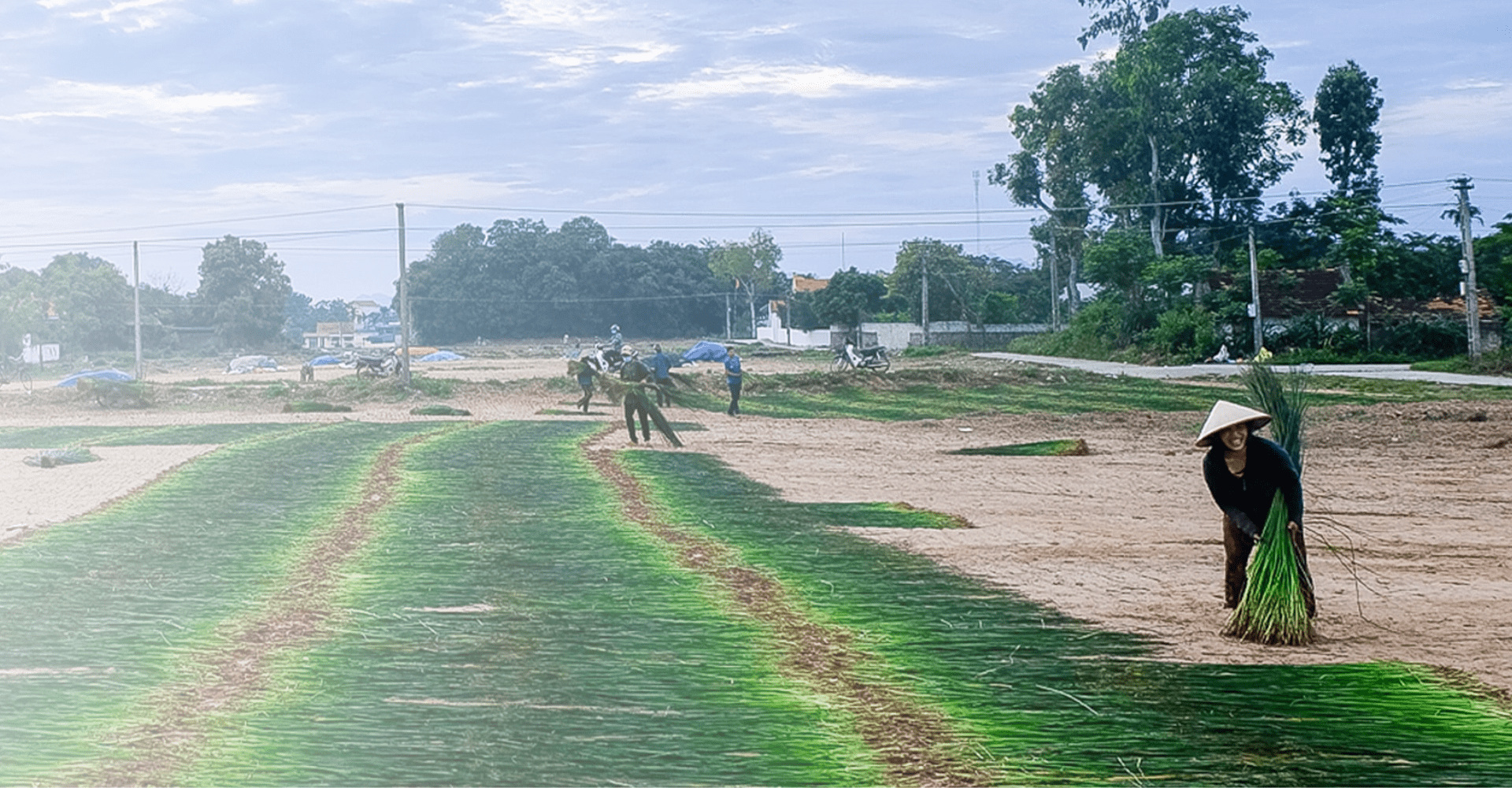
Nga Son is a coastal district where growing sedge and weaving it is simply what the land supports. Mats were woven there long before anyone exported anything, and the skill moved through families rather than through schools. Our founder, Mrs Tran Thi Viet, learned it that way and started weaving at home in the 1970s, selling what the household could produce.

What that period built was not a brand. It was a network: the farming households who grow and dry the fiber, the women in the surrounding villages who weave, and the knowledge of which fiber suits which shape. That network is still the company. Our piece inside the Nga Son seagrass village shows the place it comes from, and meet the weavers introduces some of the people who do the work now.
What changed in 2001
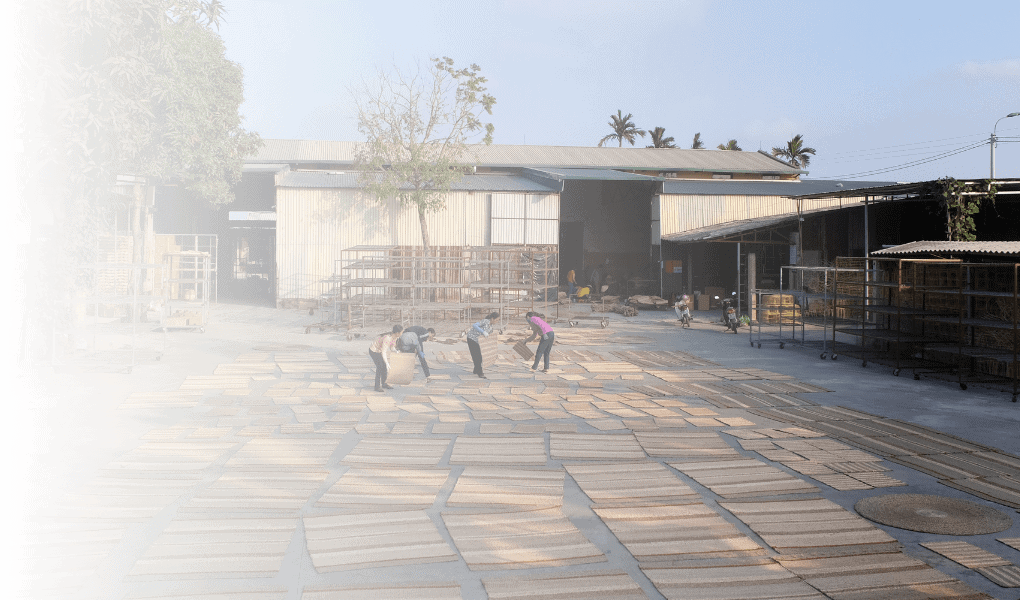
Registering as a company in 2001 was the point where household production turned into export production. The 9,000 sqm factory in Nga Son began operating in the same year. That brought the things a household loom never needed: four warehouses with drying machines, a finishing and packing line, and a capacity now reaching up to 20 containers a month.

The drying machines matter more than they sound. Natural fiber packed before it is fully dry is the most common reason a container of baskets arrives smelling musty, and it is not something a household workshop can control in a wet month. Industrialising that one step is what made consistent export possible without changing how anything is woven. Our walkthrough from fiber to finished basket follows the full sequence.
The award that put the work on a wider map
In 2016 Mrs Tran Thi Viet won gold at the Empretec Women in Business Awards, held as part of UNCTAD 14. UNCTAD described the business as making woven goods from seagrass, jute, water hyacinth, corn leaves and other natural fibers, and noted the weavers who work with her and help keep the weaving culture of the region alive.
We mention it not as a trophy but because of what it recognised. The award was for building a business around a traditional craft in the place the craft already existed, rather than moving production somewhere cheaper. That decision is the reason the company still looks the way it does.
What the second generation changed, and what it did not
The company is now led by the second generation of the family. Dao Mai runs business development and Uyen Le runs marketing. Dao learned to weave at six years old, which is a useful thing in a person who now spends her time talking to buyers in Europe and Australia.

What they added is mostly structure. Quarterly collections with themed lookbooks, so the range moves rather than repeats. A bespoke design service for partners who need something that is not in the catalogue. SMETA and amfori BSCI audits, so that a buyer with a compliance checklist can tick it without a special visit. Around 800 SKUs in active production across ten categories.
| What the first generation built | What the second generation added |
|---|---|
| Weaving skill held in families across the district | Quarterly collections and a bespoke design service |
| Direct relationships with fiber growing households | SMETA and amfori BSCI social compliance audits |
| A workforce of local women weavers | Export systems reaching more than 30 countries |
| Natural fiber, natural colour, no dye | Vocational training twice a year, including for people with disabilities |
What did not change is the part buyers usually assume gets automated first. The weaving is still done by hand, by people, in and around the same district. There is no machine in our process that weaves.
Why we still buy fiber from households rather than agents
It would be simpler to buy fiber through a trader. We do not, and the reason is practical as much as it is ethical. Buying directly means we know which fields the fiber came from and how it was dried, which is the single biggest variable in whether a basket holds its colour and its shape.
The social side follows from the same arrangement. Published profiles of our model note that we work directly with farmers rather than through agents, share risk and profit with them, and supply materials, training and tools, and that around 85 per cent of the supplying households are women. We also run vocational training twice a year for young trainees and for people with disabilities.
None of this is a reason to buy a basket on its own. It is a reason the baskets are consistent, and it is the answer when a retailer asks who made this and under what conditions. Our explainer on what SMETA and BSCI actually mean covers the audit side.
What this means if you buy from us
Three things, in practice. You are dealing with the factory rather than a trading company, so questions about material, drying and finishing get answered by the people who do it. You can source across ten categories from one supplier, which is why a piece like our seagrass lampshade and a laundry hamper can arrive in the same container. And you are buying from a district that has done this for generations, which is a slower thing to copy than a price.
A few pieces our weavers make
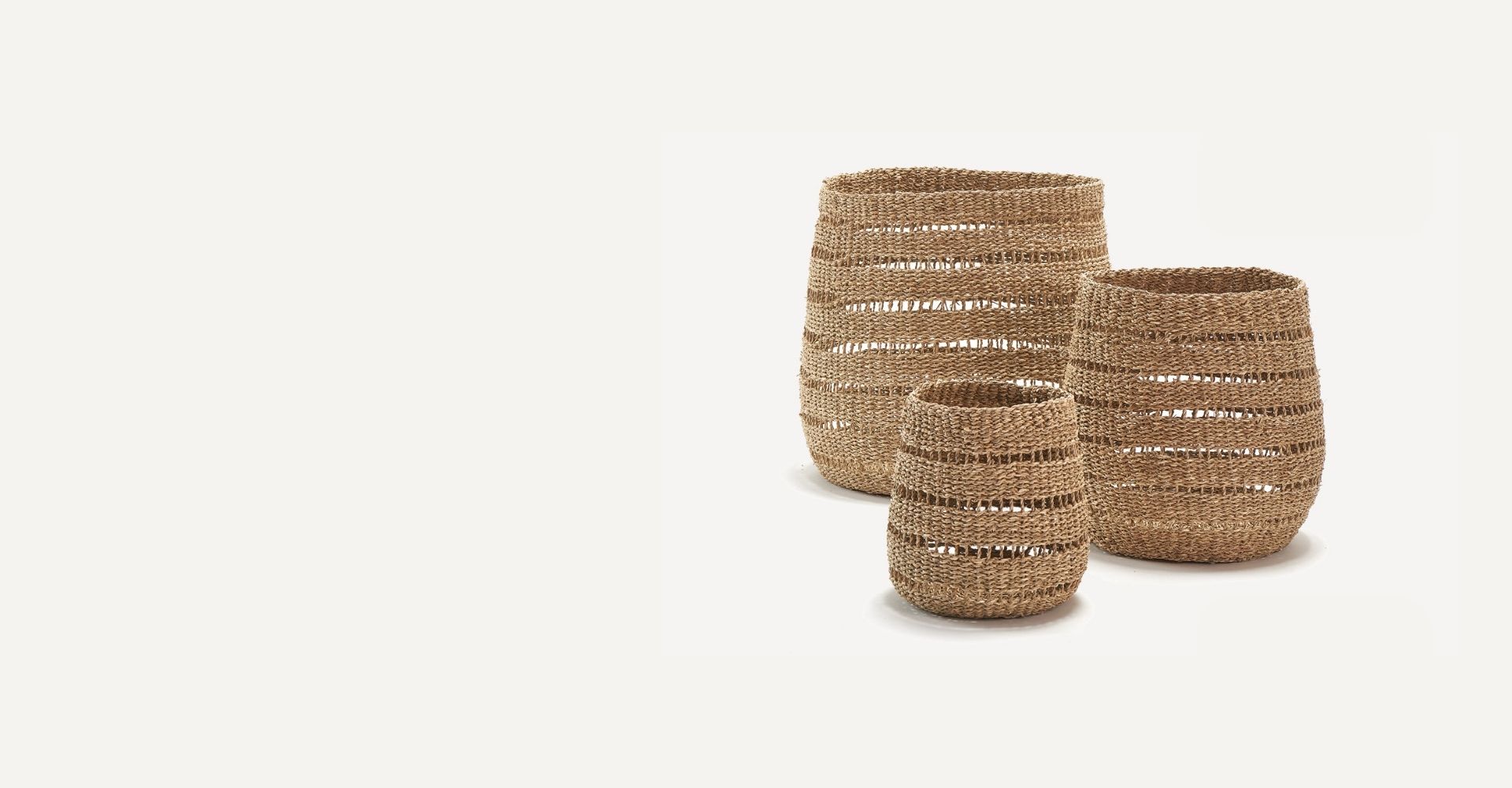
This article is about the company rather than one product type, so the selection below is a general one, drawn from four different parts of the range: a laundry hamper, a lampshade, a floor pouf and a serving tray.


Frequently asked questions
When was Viet Trang founded?
The business began in the 1970s as a household craft in a seagrass village in Nga Son, Thanh Hoa, and was officially registered as a company in 2001, the year the Nga Son factory began production.
Is Viet Trang a factory or a trading company?
A factory. We operate a 9,000 sqm site in Nga Son with four warehouses and drying machines, 30 full time staff and between 500 and 600 seasonal weavers.
Who runs the company now?
The second generation of the founding family. Dao Mai leads business development and Uyen Le leads marketing, working alongside the founder, Mrs Tran Thi Viet.
Where does the fiber come from?
From farming households in and around Nga Son, bought directly rather than through agents. Water hyacinth is gathered from rivers and lakes.
Can we visit the factory?
Yes. Buyers are welcome in Nga Son, and if travel is not practical we can walk you through the workshop and the warehouses on a video call instead.
Come and see where it is made
If you would like to meet the people behind the weaving, we can arrange a factory visit in Nga Son or a video call through the workshop. If you would rather start with the products, tell us what you are looking for and we will send samples.

To receive lots of incentives with dedicated and professional service...
Or view more handwoven product in our
lookbook collection
CONTACT NOW
+84 915 709 666
(WhatsApp available)