Wholesale Cat Furniture in Woven Natural Fiber: A Buyer’s Guide
28 Oct 2026Woven cat furniture is the same category as the carpet covered cat tower, built from plant fiber instead: cat trees, caves, wall steps and scratching posts in seagrass, water hyacinth and jute. It answers a problem every pet buyer knows about, which is that cat furniture is chosen by a person who would rather not look at it. A woven piece sits in a living room as an object, not as equipment, and that is why the category has moved from the pet aisle into homeware.
Key takeaways
- Future Market Insights values the cat furniture and scratchers market at USD 1.50 billion in 2025 and forecasts USD 3.09 billion by 2036, a compound annual growth rate of 6.8 per cent between 2026 and 2036.
- Natural materials and wall mounted, vertical pieces are two of the design directions named for 2026.
- A scratching surface only works if the cat will use it. Cats Protection advises a post about 60 cm tall and sturdy enough for a cat to lean its weight against.
- Woven pieces can be merchandised in homeware as well as pet, which widens where a buyer can place them.
What counts as woven cat furniture?
It helps to split the category into four groups, because they sell to different shelves and ship very differently.
- Trees and climbing pieces. Multi level towers, low profile tiered nests and sculptural forms such as a cactus shape.
- Caves, huts and igloos. Enclosed resting places at floor level, usually with a cushion.
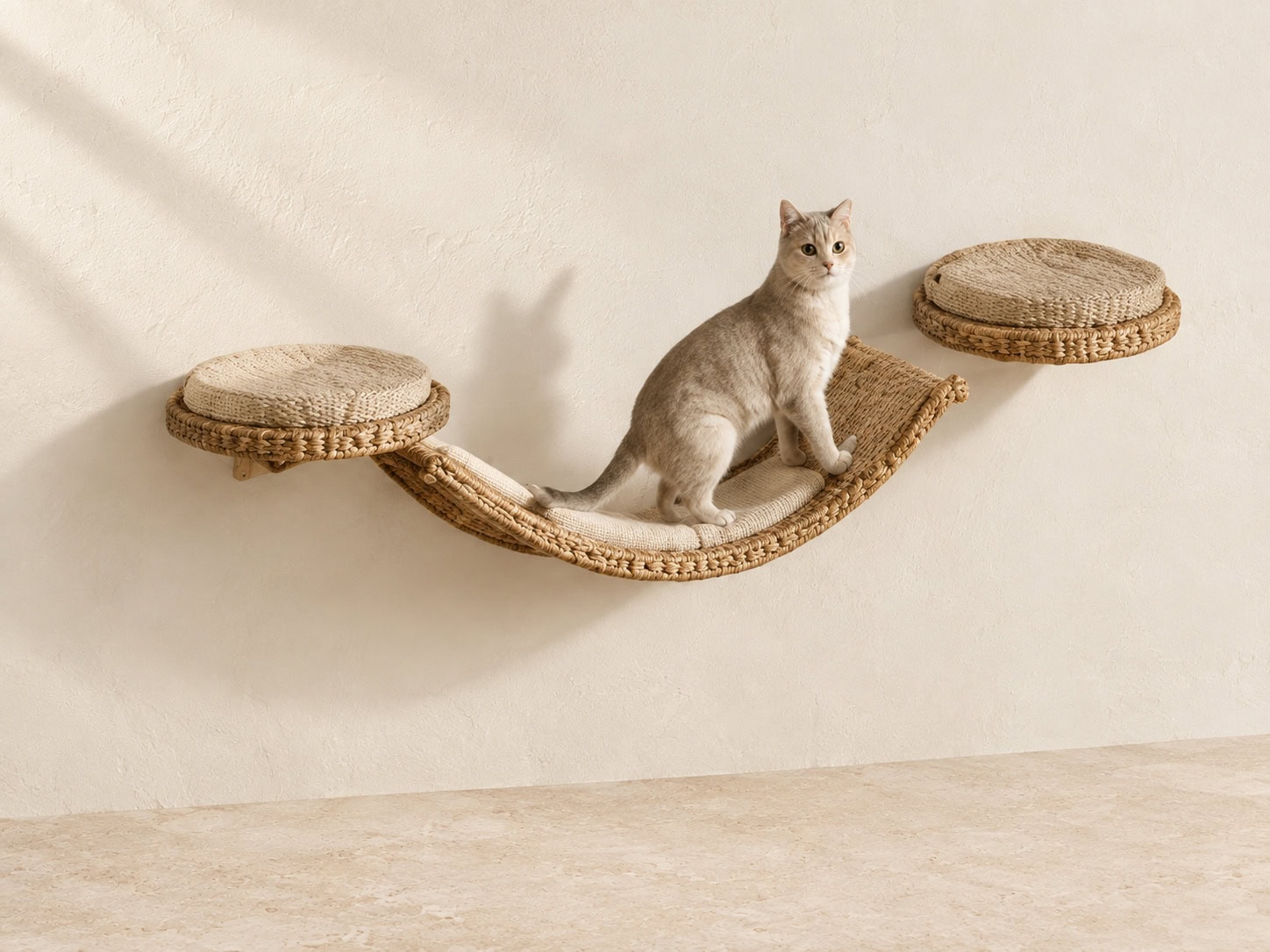
- Wall mounted pieces. Steps, pods, shelves, bridges and walkways that give a cat height without using floor space.
- Beds, mats and toy baskets. Open beds, feeding mats and the storage that goes with them.
Our own pet range covers all four, and the fibers are the same ones we weave for homeware. If you are starting with the simpler end of the category, we wrote earlier about natural fiber pet beds and baskets.
Why natural fiber rather than carpet and board?
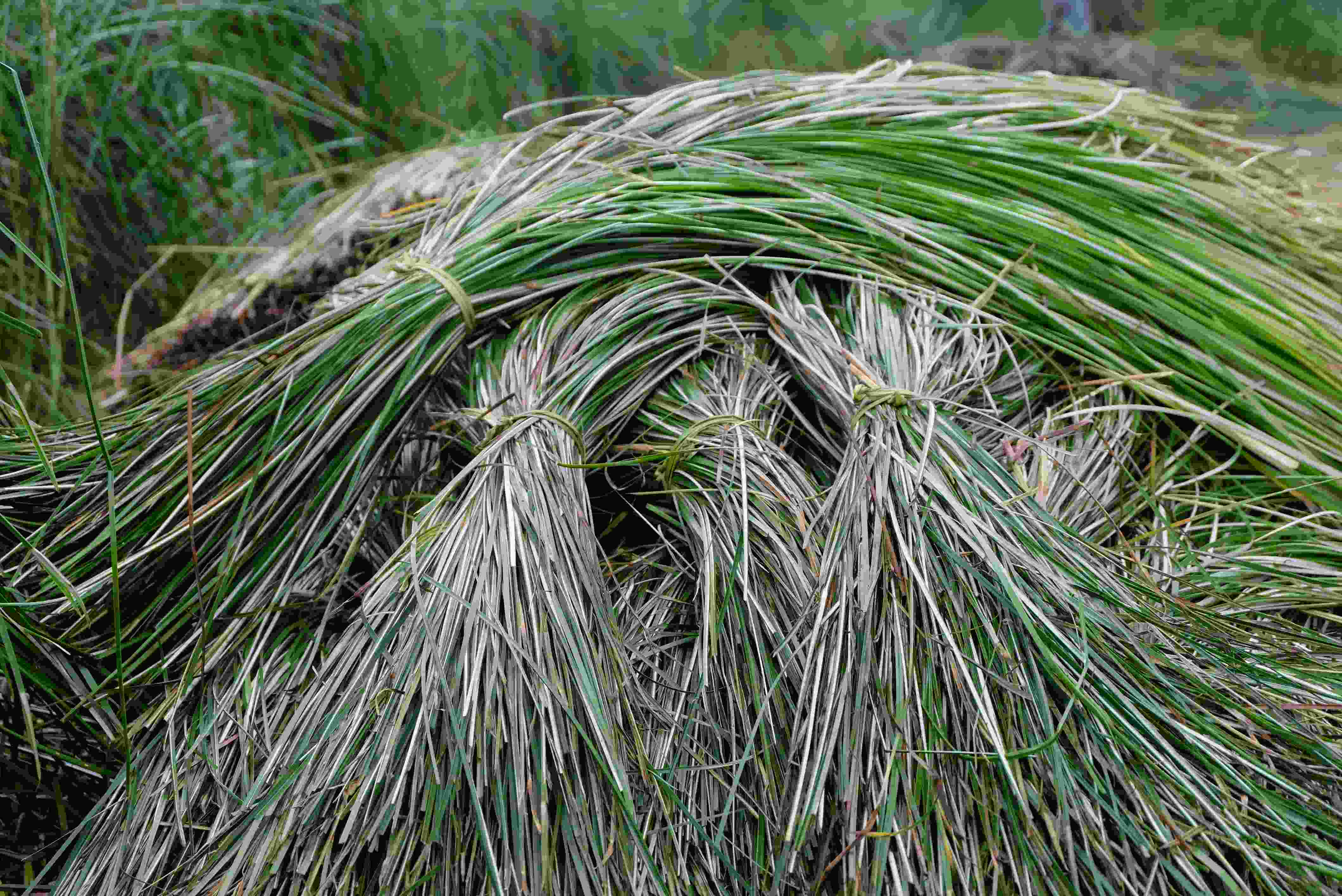
The three fibers we use for pet pieces behave differently under a cat’s claws, and the differences are worth knowing before you choose a hero product.
| Fiber | Under the claws | How it reads in a room | What the end customer should know |
|---|---|---|---|
| Seagrass | Firm and densely twisted, with a smooth surface | Pale and silky, close to a woven basket | Vacuum it, keep it dry, and expect the natural tone to vary |
| Water hyacinth | Chunkier braided cord with deeper grooves | Warm brown and soft looking | A dry room material, so not for a utility room or a damp porch |
| Jute | Coarse and grippy, the closest to a classic scratching rope | Rustic and darker | Some loose fiber in the first weeks is normal for this material |
Carpet covered board is the incumbent, and it has a specific weakness. Cats Protection points out that cats which already scratch carpets, mats and stairs need a post that replicates the surface they have chosen. A carpet wrapped tower does exactly that, which is useful for training a cat onto the post and unhelpful if the carpet you are trying to protect is in the same room. A woven fiber reads as a different surface from the floor, which is a point a pet buyer can put on the packaging.

What does the cat actually need?
Cats scratch for two reasons: to keep their claws in order and to mark territory, using scent glands between their toes. Cats Protection also notes that cats may scratch more when they are stressed, and advises owners not to tell a cat off for it, because that makes the cat anxious without changing the behavior.
The same guidance gives three specification points that matter more than styling. A post should be tall enough, about 60 cm, for an adult cat to stretch up on its toes. It should be sturdy enough for the cat to lean its body weight against it. And the thread should run vertically so the full stretch is possible. Many cats prefer a vertical surface, but plenty scratch horizontally, which is why a flat mat belongs in the range alongside the posts. Placement matters too: the advice is to put the new post next to the spot the cat is already scratching.
For a buyer this translates into three things to measure on a sample: height to the top of the scratching surface, base width and weight, and how far the piece moves when pushed sideways at full height.

Is the category actually growing?
Future Market Insights puts the cat furniture and scratchers market at USD 1.50 billion in 2025, rising to USD 3.09 billion by 2036 at a compound annual growth rate of 6.8 per cent across 2026 to 2036. Its regional forecasts for the same period are China 7.4 per cent, India 7.2, Germany 6.8, the United States 6.5 and the United Kingdom 6.2. Wood is the leading material at 29 per cent share, and the report singles out durable construction with replaceable wear parts as where competitive advantage sits.
On the design side, the cat furniture retailer The Refined Feline lists natural materials first among its 2026 trends, and says wood, bamboo and sisal have replaced synthetic carpet in many designs. It also points to wall mounted shelves and vertical climbing systems as the answer to shrinking urban homes, to pieces that blend with the rest of the furniture, and to natural color palettes, with the comment that beige carpeted towers are fading from contemporary homes. It is a seller’s own blog rather than independent research, so read it as a view from inside the category, but it matches what we are being asked to sample.
That direction is the same one running through homeware, which we set out in the natural fiber home decor trends we are watching.

What should you settle before you order?
Six points cover most of what comes back as a question later:
- Stability. Agree a tip test on the sample: push at full height and see what it takes to move the base.
- Wall fixings. Decide who supplies them and for which wall types, and whether they go in the carton.
- Cushions. Settle the cover fabric and whether it is removable and washable, because this is the first thing a pet retailer is asked.
- Loose fiber. Agree what is acceptable at inspection, especially on jute.
- Packed volume. A tall tree that does not knock down is expensive air to ship. Ask what disassembles.
- Labelling. Pet aisles usually want a weight range or a size guide on the pack. Confirm the wording early.
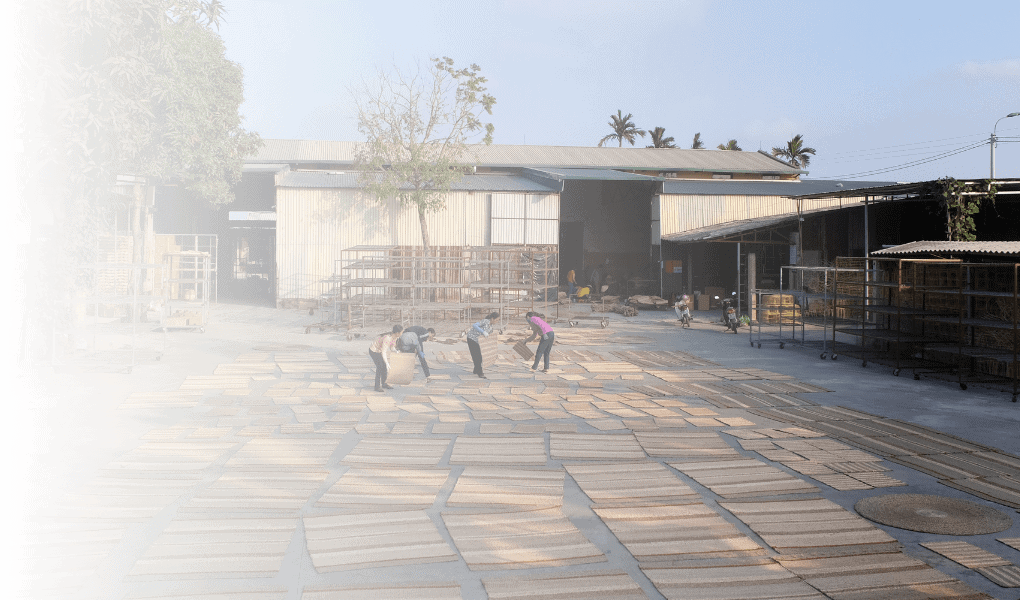
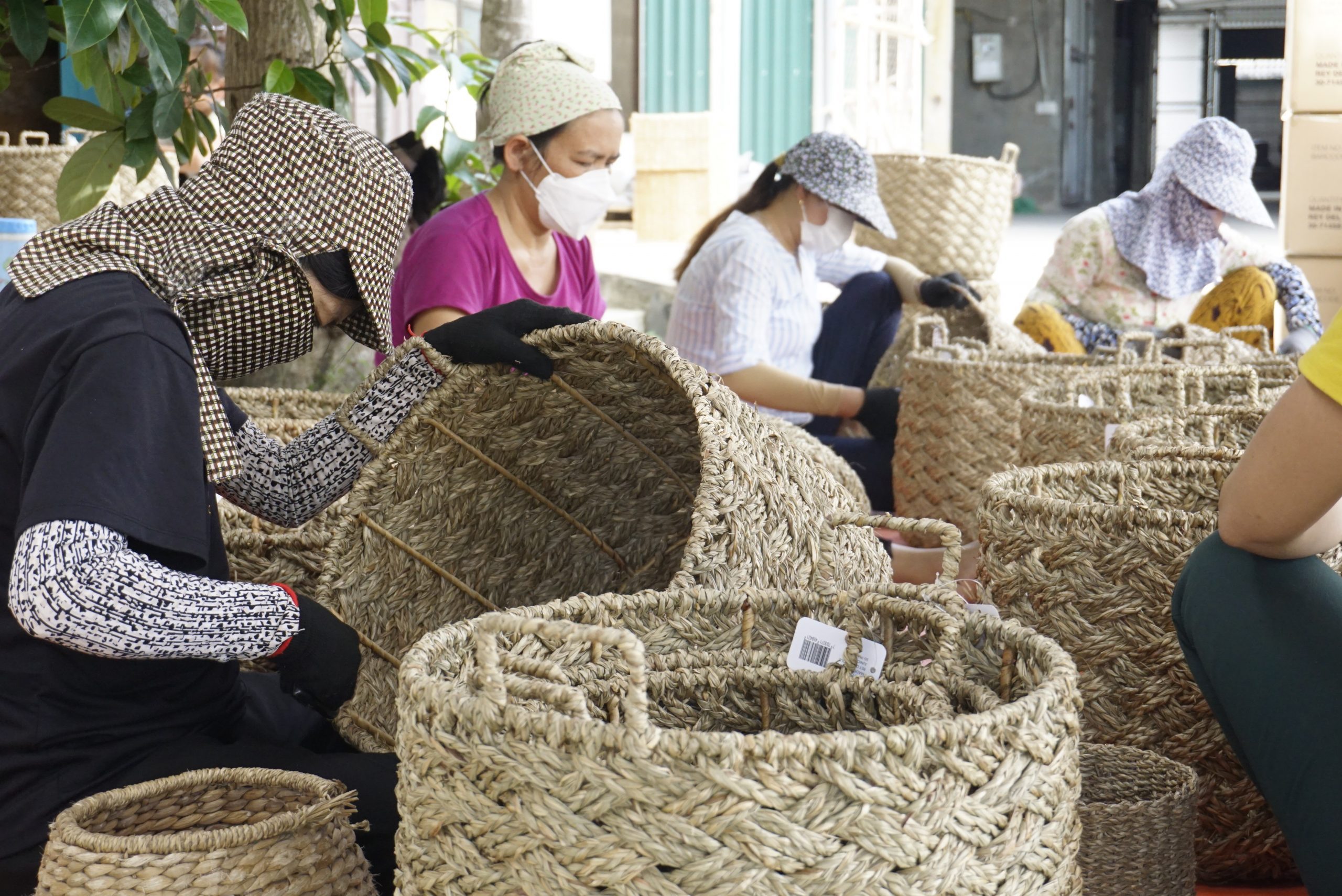
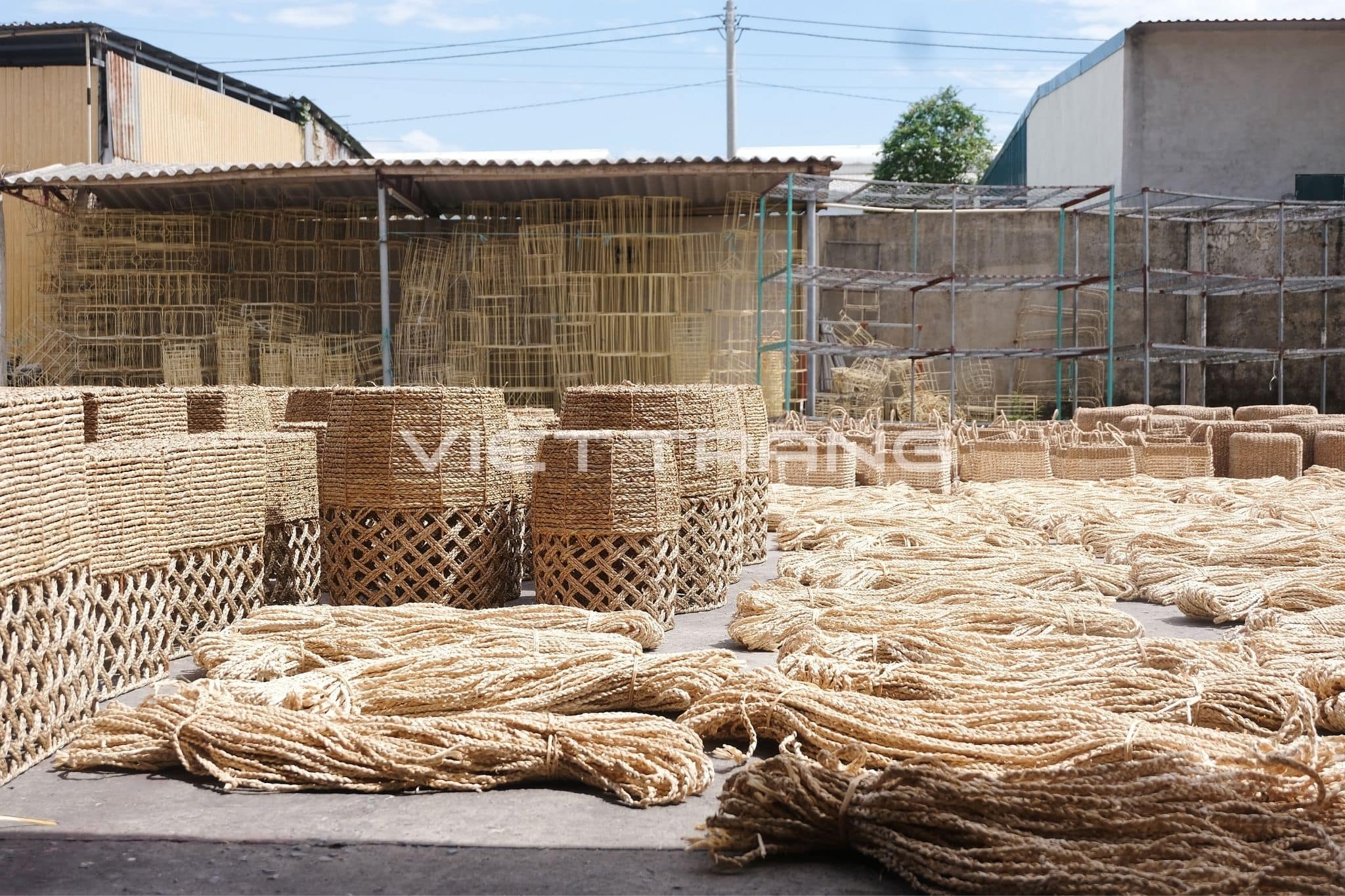
Everything in our pet range is woven from the same untreated natural fibers we use for homeware, in natural hues with no synthetic dyes, in our own 9,000 sqm factory in Nga Son, Thanh Hoa. The site is audited to both SMETA and amfori BSCI, which matters when a pet chain runs its own supplier compliance program. We explain both in plain language in what SMETA and BSCI actually mean. If you want to understand how these fibers stand up to daily use, we tested that question in how durable seagrass and water hyacinth really are. And if you want one piece to look at first, a seagrass wall bridge that runs between two pods shows the fixing method and the weave in a single sample.
Woven cat trees, caves and wall pieces from our range
All four below are cat furniture from our pet collection, one from each of the groups described above: a pair of cat trees, a climbing tree, a wall mounted pod with a step, and a floor level cave.


Frequently asked questions
Will a cat really scratch seagrass or water hyacinth?
Cats scratch surfaces that hold under the claw and let them stretch. A densely twisted seagrass or water hyacinth cord does both. Jute is the coarsest of the three and the closest to a traditional scratching rope, so it is the usual choice when scratching is the main job of the piece.
Are woven cat trees sturdy enough for a large cat?
That is a question about the base and the frame rather than the weave. Ask for the base dimensions and the finished weight, and run a push test on the sample at full height before you approve it.
Can wall mounted pieces be fitted to plasterboard?
It depends on the wall and the fixings used, which is why fixings are worth agreeing at quotation stage. Tell us whether you want fixings included in the carton and which wall types your market expects, and we will confirm what we can supply for that design.
How should the end customer clean them?
Vacuum with a brush head, lift hair off the weave, and wipe with a barely damp cloth if needed. These are plant fibers, so they should not be soaked or washed, and they should be kept out of damp rooms.
Can you make these in our own sizes or colors?
Custom sizing is available across most of our categories and our design team can work from your sketch or reference. Color is the one limit worth saying out loud: we weave in natural hues only and do not use synthetic dyes, so tone comes from the fiber itself and from combining fibers.
Building a natural fiber pet range for 2027?
Tell us which groups you need, the shelf or wall space you are filling and the market you sell into. We will send specifications, photographs from production and a sample for your buyer to handle.

To receive lots of incentives with dedicated and professional service...
Or view more handwoven product in our
lookbook collection
CONTACT NOW
+84 915 709 666
(WhatsApp available)