Seagrass Storage Baskets: A Wholesale Buyer’s Guide
2 Nov 2026A seagrass storage basket is a handwoven basket made from sedge grass grown in coastal fields, dried and woven by hand into a firm, lightweight container for dry storage. For wholesale buyers, seagrass is the fiber to choose when you want a pale, silky natural texture that holds its shape on a shelf and sells all year rather than only in summer. It is a dry storage material, which is the one thing worth getting right before you place a first order.
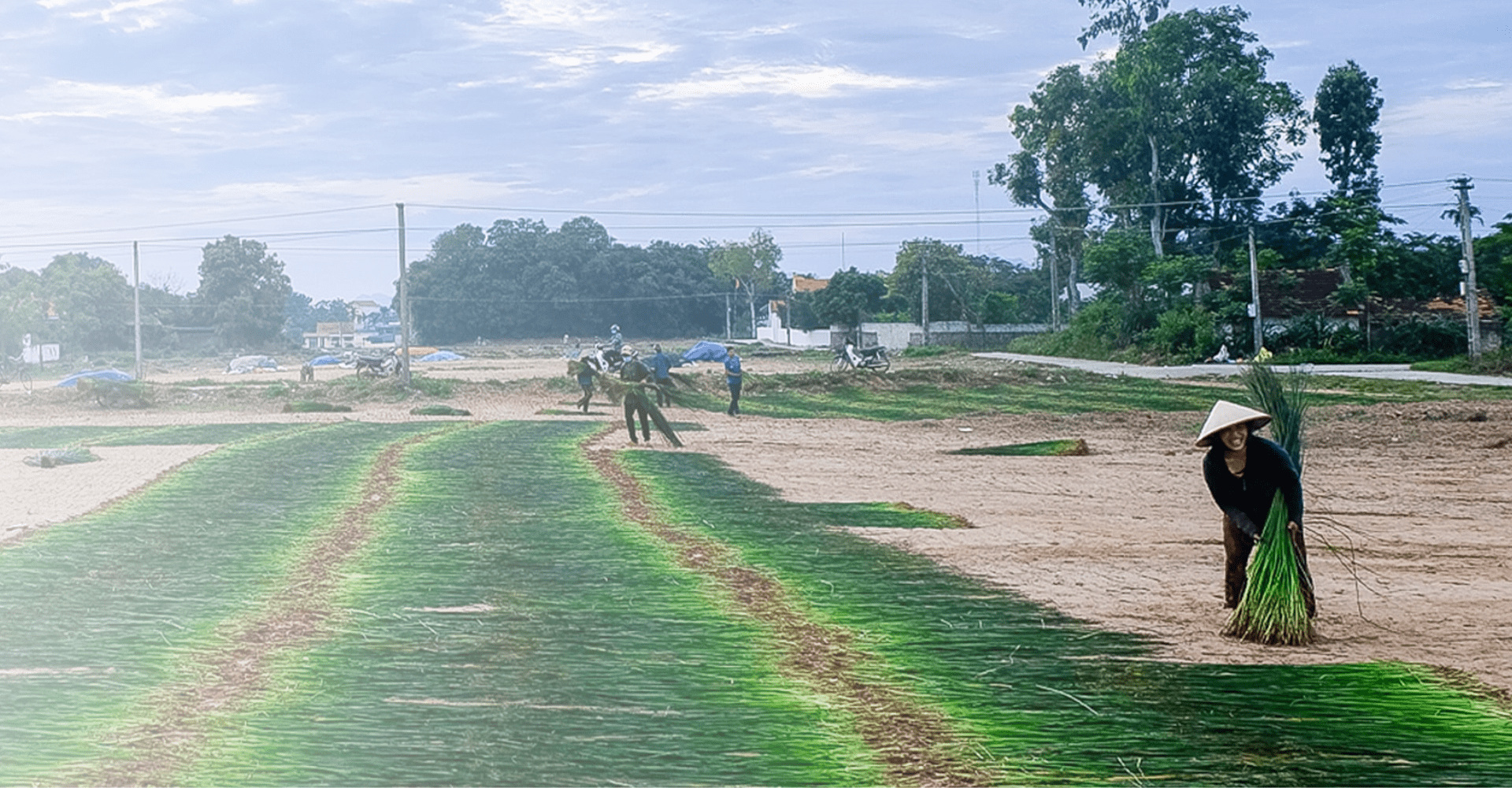
This guide covers what the fiber is, which basket formats move at retail, where seagrass belongs in the home and where it does not, and the checks worth running on your first sample. It is written from how we work in our own factory in Nga Son, Thanh Hoa, where seagrass has been our main material for more than fifty years.
Key takeaways
- Seagrass is grown and harvested in coastal sedge fields, including Nga Son in Thanh Hoa province, and its natural colour runs from light straw to warm brown with no dye added.
- Four formats carry most of the volume at retail: open top, lidded, handled and nested sets. Nesting sets of two, three or five improve shelf value.
- Seagrass belongs in dry rooms. Bathrooms and unventilated laundry rooms are where returns come from, not the weave.
- Ask for inside dimensions rather than outside dimensions, and agree the handle type before sampling, because that is what changes the load the basket will take.
What is a seagrass storage basket actually made of?
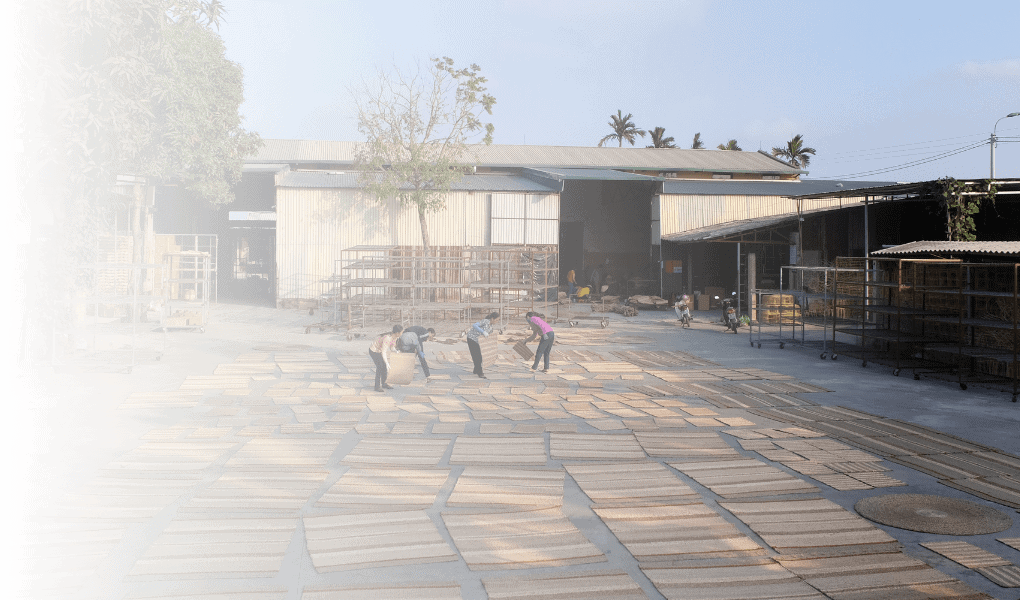
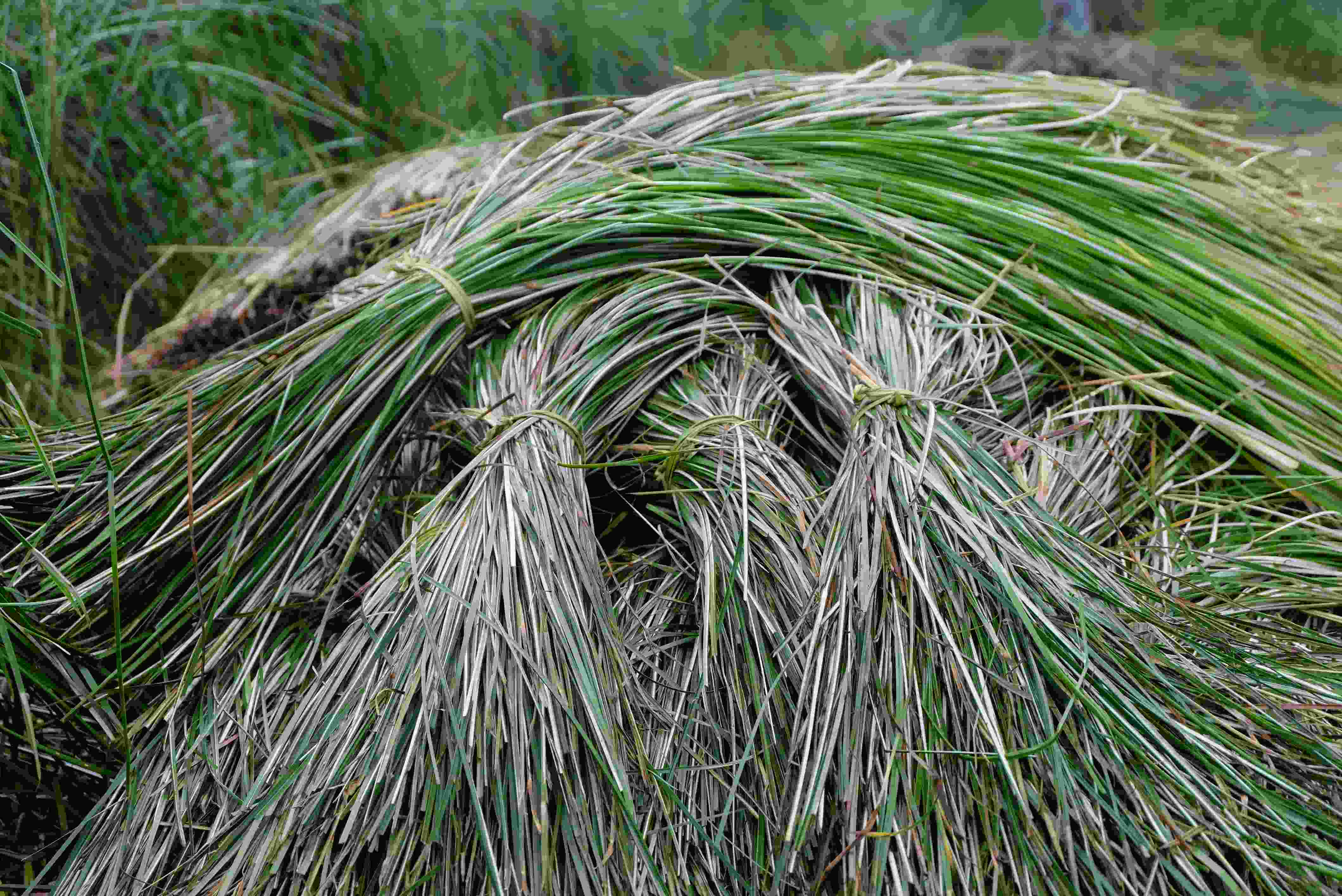
The fiber is a sedge grass grown in brackish coastal soil. After cutting, the stems are split, sun dried and sorted by length and thickness before anything is woven. The result is a fiber that is smooth and silky to the hand, firm enough to hold a shape without a frame, and naturally pale. Our own seagrass comes from the fields around Nga Son, the district where the company started, and we buy it from farming households in the same area rather than through agents.
Seagrass takes no synthetic dye in our range. The colour variation you see between baskets in the same carton comes from the harvest and the drying, not from a finish. Buyers who expect a perfectly uniform shade across a pallet should know this before they order, because it is a property of the material rather than a quality fault. If you want the longer explanation of the fiber and how it compares with water hyacinth, our note on the differences between water hyacinth and seagrass goes through it.
Which seagrass basket formats sell best at retail?
Across our own basket range, which now runs to more than 250 designs, four formats do most of the work. They answer different shopper problems, and most retailers end up carrying two or three of them rather than one.
| Format | What it is for | What to specify |
|---|---|---|
| Open top | Shelf storage, throws, toys, magazines. The easiest sell and the lowest price point. | Rim strength and whether the sides stay vertical when the basket is full. |
| Lidded | Closed storage in living rooms and bedrooms, where the contents should be hidden. | Lid fit and whether the lid is flat or recessed, which decides if baskets stack. |
| Handled | Baskets that get carried. Wooden dowel handles and cut out handles behave differently. | Handle type and fixing. This is what sets the real load limit. |
| Nested sets | Sets of two, three or five graduated sizes. Better shelf value and a higher average order. | Step between sizes, and that the smallest still holds something useful. |
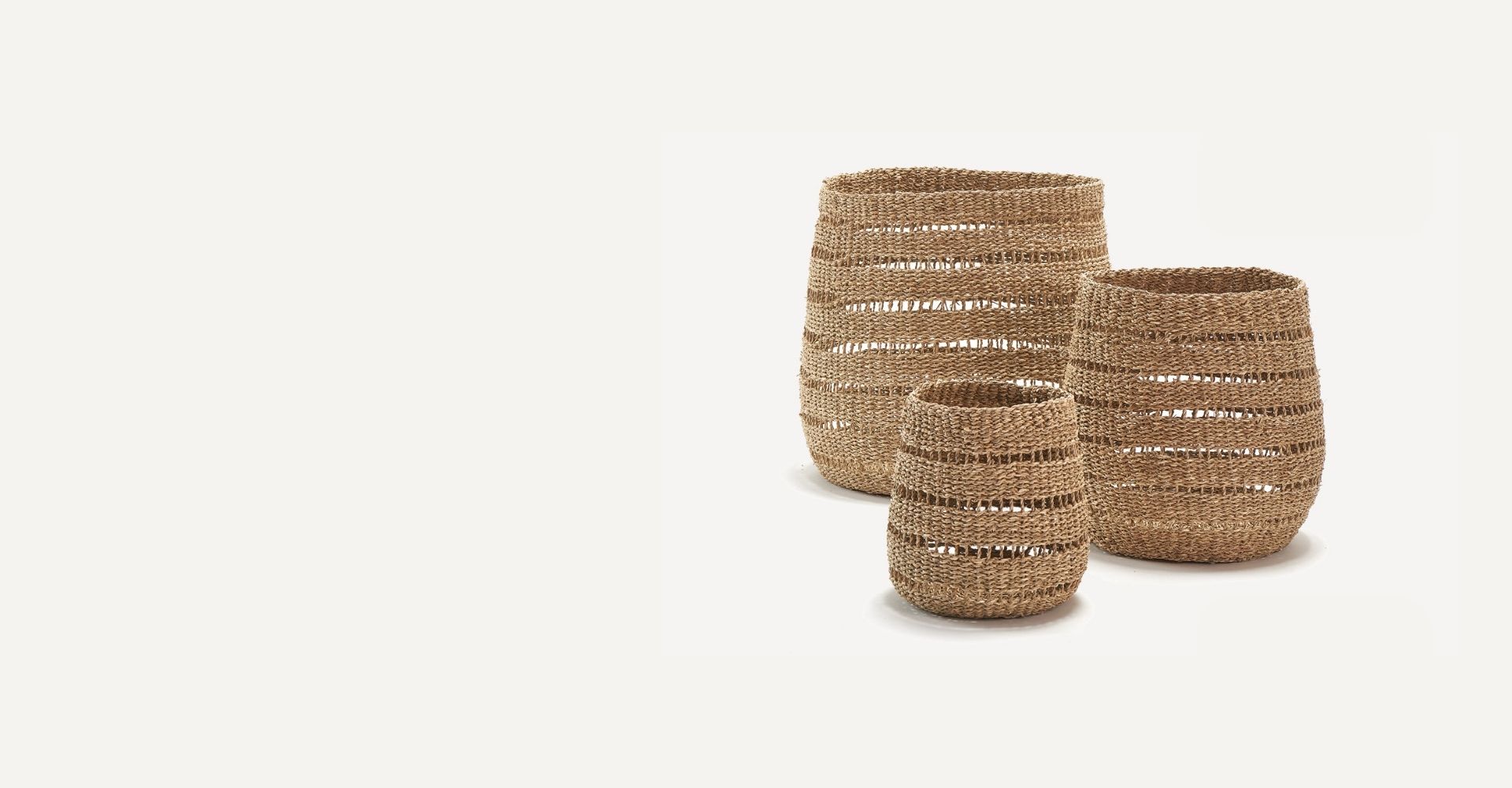
Nesting matters more than it looks. A large part of our range is sold in sets, because a set photographs better, fills a shelf and raises the basket value without raising the handling cost much. If you are building a first assortment, a nested set plus one lidded design covers most of what a homeware shopper is looking for.

Where does seagrass work in the home, and where does it not?
This is the question that decides whether a basket programme runs smoothly or generates complaints. Seagrass is a dry storage fiber. It is comfortable in a living room, a bedroom, a hallway or a dry kitchen cupboard. It is not comfortable in standing humidity. A bathroom with no window, or a laundry room where wet washing sits in the basket, is where mould and discoloration start.
This is not only our view. Muji, which sells seagrass baskets handwoven in Vietnam, tells customers in its own care notes to keep wet items out because moisture can cause mould, colour transfer or discoloration, to store the basket in a dry place and air it occasionally in a shaded, well ventilated area, and not to place food directly inside. It also notes that cut ends may stick out and snag clothing, and that the material can deform when pushed and should be reshaped by hand. That is an accurate description of how the fiber behaves.

If a customer does want a basket for a damp room, say so honestly and sell them ventilation: an open weave rather than a tight one, no lid, and a basket that lifts off the floor. Our guide to preventing and treating mould on natural fiber baskets is worth passing to retail staff, because almost every problem we see traces back to storage rather than to weaving.
How durable is seagrass in daily use?
Well made seagrass holds up for years in the conditions above. The weave tightens slightly in its first weeks and then settles. What wears first is almost always the rim and the handle fixing, not the body, which is why those two details are worth more attention at sampling than the pattern is.
Load limits depend entirely on size and construction, so treat any single number with care. As one published example, Muji states an approximate 1 kg capacity for its large seagrass herringbone basket measuring about 36 x 12.5 x 24 cm. A deep handled storage basket built for blankets is a different object with a different limit. We will confirm a working load for any design you are considering rather than quote a figure across the range. There is more on this in our piece on how durable seagrass and water hyacinth baskets really are.

Seagrass, water hyacinth or palm leaf: which fiber for which basket?
We weave four natural fibers and often combine two of them in one piece, which is a design signature rather than a cost exercise. Choosing between them is mostly a question of colour and hand feel.
| Fiber | Natural colour | Character | Best suited to |
|---|---|---|---|
| Seagrass | Light straw to warm brown | Smooth, silky, firm | Shelf storage baskets, lidded baskets, lampshades |
| Water hyacinth | Warm mid brown | Soft, thicker, slightly spongy | Larger baskets, hampers, rugs and poufs |
| Corn husk | Pale milky cream | Strong and light | Contrast stripes and banding against darker fibers |
| Palm leaf | Near white | Flat, smooth braided edges | White patterned detail and collapsible baskets |
If your shelf already carries water hyacinth, seagrass is the natural second fiber rather than a competitor: the paler tone sits beside it well and the two read as one family. Our water hyacinth basket buyer guide covers that side of the range.
What should you check on the first sample?
Six checks catch nearly everything, and they take about ten minutes with the sample in front of you.
Inside dimensions. Ask for them in writing. Outside dimensions are what gets quoted and inside dimensions are what the shopper actually uses, and on a thick weave the difference is real.
Rim and base. Press the rim. It should spring back rather than stay bent. Stand the basket on a flat surface and check it does not rock.
Handles. Lift the basket with something heavy inside. Wooden dowel handles and cut out handles both work, but they need to be specified, not assumed.
Loose ends. Run a hand around the inside. A few trimmed ends are normal on a handwoven piece. Sharp protruding ends are a finishing problem and should be raised.
Smell and moisture. A fresh natural smell is normal. A musty smell means the fiber was packed before it was fully dry, and it should be rejected.
Colour across the set. Line up the sizes in a nested set. Tonal variation is expected, but a set should still read as a set on a shelf.
A useful one to hold onto: a basket like the lidded seagrass storage basket in our range shows most of these details in one piece, because the lid, the rim and the body all have to agree with each other.
Our factory in Nga Son runs to 9,000 sqm with four warehouses and drying machines, 30 full time staff and between 500 and 600 seasonal weavers, and we are audited under both SMETA and amfori BSCI. If you are comparing suppliers, those are the numbers and the audits worth asking any factory to put in writing.
Seagrass storage baskets from our range
Four seagrass storage baskets we currently produce, covering the lidded, handled, round and striped formats described above.


Frequently asked questions
Are seagrass baskets waterproof?
No. Seagrass is a dry storage fiber and it should not get wet. Moisture is what causes mould, colour transfer and discoloration, so keep the basket out of bathrooms and away from wet laundry.
Can seagrass storage baskets be made in custom sizes?
Yes. Custom sizing is available across most of our categories, and most basket designs can be produced to your own dimensions. Send us the inside measurements you need and the format you want.
Do seagrass baskets come in sets?
Yes. A large part of our basket range is sold in nested sets of two, three or five graduated sizes, which gives retailers better shelf value and a higher average order.
Why do the baskets vary slightly in colour?
Because no dye is used. The natural tone of seagrass runs from light straw to warm brown and depends on the harvest and the drying. Tonal variation between pieces is a property of the material, not a defect.
Can you produce seagrass baskets under our own brand?
Yes. We work with importers and retailers on private label and bespoke designs, developing samples from your sketches, references or mood boards before production begins.
Talk to us about your basket programme
Tell us the formats, sizes and volumes you are planning and we will come back with a quote, a sample and a realistic production window. If you would rather see the factory first, we are happy to walk you through it on a video call.

To receive lots of incentives with dedicated and professional service...
Or view more handwoven product in our
lookbook collection
CONTACT NOW
+84 915 709 666
(WhatsApp available)